
Below is just some of the glossary I wrote for an employer. The glossary was an idea created by me to use more construction keywords on the company website. Each word used in the glossary was chosen by me and all the definitions were researched and written by me. All associated images for each term were searched for and chosen by me as well.
Common Construction Terms Glossary
Cabinets Section –
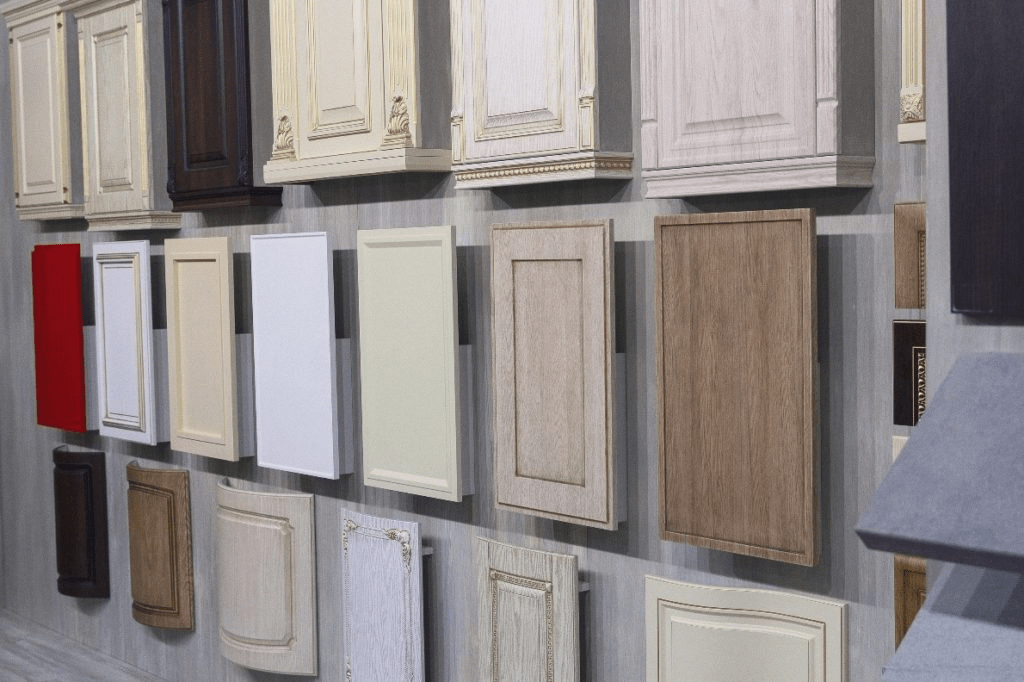
Recessed Panel Cabinet Door
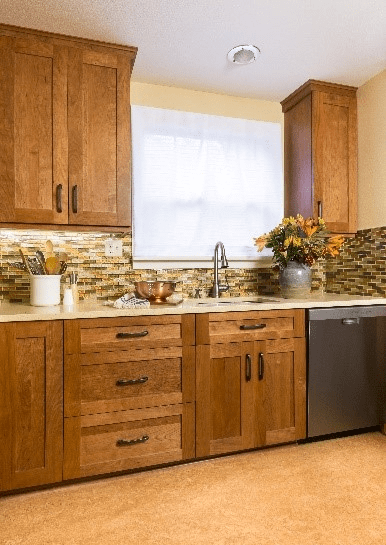
A recessed panel cabinet door is a door that has a slightly depressed center panel. This center panel is often comprised of a thinner wood than other types of cabinets or door.
The center panel on a recessed panel cabinet door is just a little lower than the surrounding cabinet door frame. The thinner center panel is often made from alternative materials because they need to be thinner than the rest of the door. They can be made with solid wood but use veneer center panels. This allows the center panel to occupy the recessed area without changing the finished appearance of the natural wood. Recessed panel doors can be made in many different finishes and styles. They can incorporate arches or 90-degree angles. Sometimes glass or metal is used in place of the veneer center panel to add an interesting and unique appearance that work with different design aesthetics. It is even possible to add a beveled trim on the recessed doors. Matching drawers are also available to create a cohesive design in the space.
Raised Panel Cabinet Door
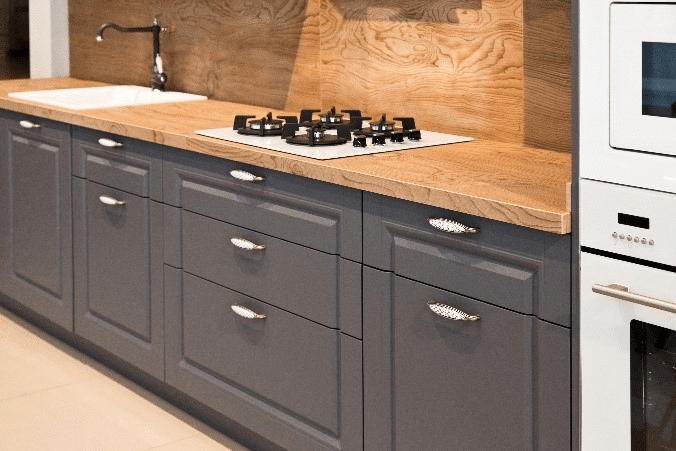
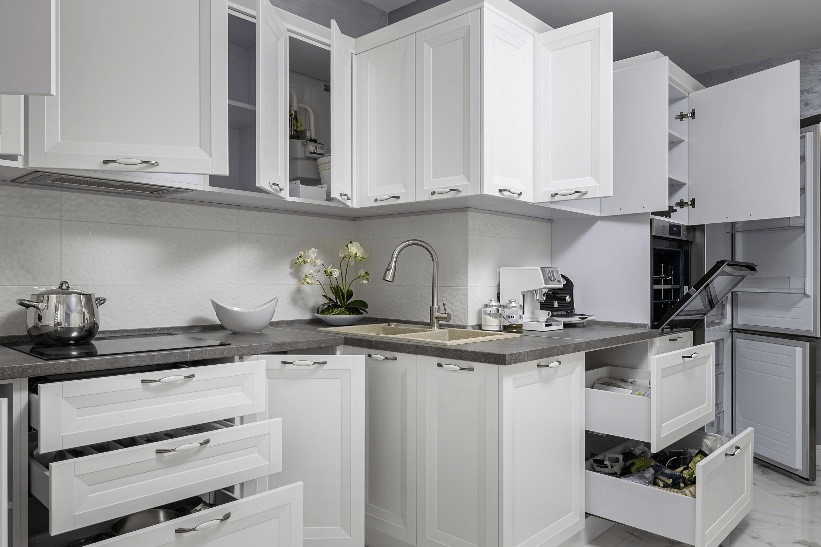
A Raised Panel Cabinet Door means that the center portion of the cabinet is slightly elevated. Raised panels come can have many different styles and designs.
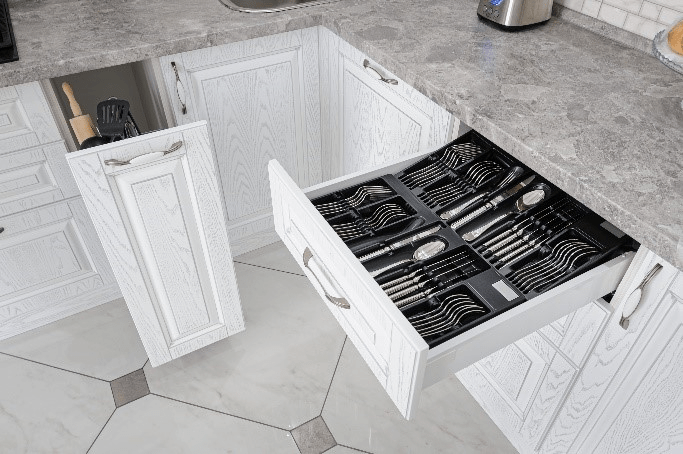
A raised panel cabinet door has a center panel that is just a little higher than the surrounding door frame. This style of cabinet door can be used in both tradition and modern kitchen designs, though they are more popular in traditional/transitional designs. This door style is created by either attaching the panel with adhesive or fitting the panel into grooves in the door frame. They can incorporate arches or 90-degree angles. Sometimes glass or metal inserts are used to add an interesting and unique appearance that work with different design aesthetics. This type of door can also be used in areas created to conceal appliances.
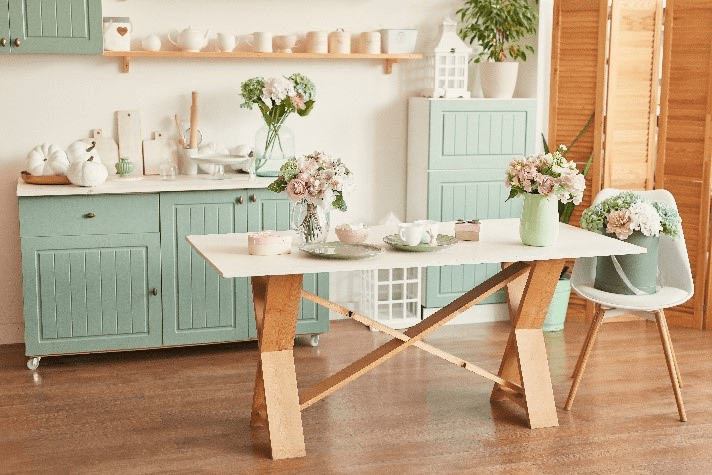
Flat Panel Cabinet Door
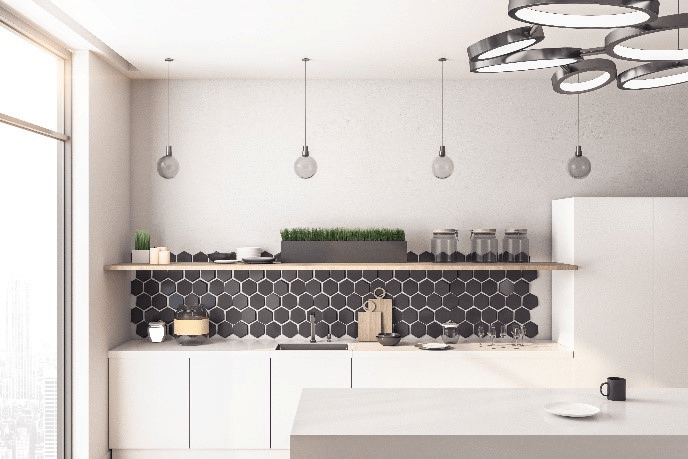
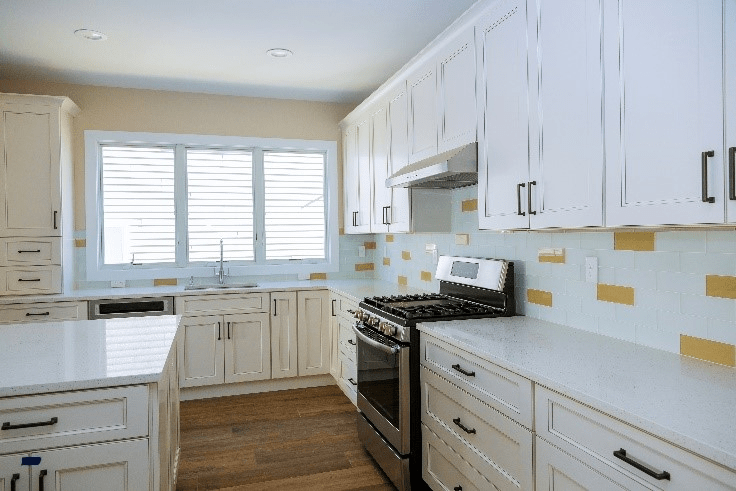
A Flat Panel Cabinet door is also called a slab door. It has no decorative designs and is plain and sterile in appearance.
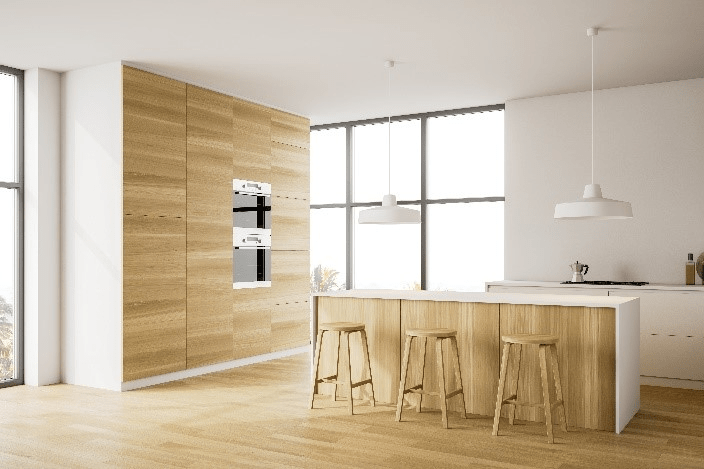
A flat panel door does not have any recessed or raised areas on it. There are no arches. This simple style can be easily combined with other cabinet styles and kitchen designs. A flat panel cabinet door can be integrated into traditional and modern kitchen designs, though it is typically used in modern/contemporary designs. It’s understated, simple appearance is used to make a focal point in another section of the room more obvious. This type of cabinet door can be created with manufactured wood or hardwood. The simplicity of design allows wood grain patterns to be highlighted with stains. Bold hardware choices can accentuate the beauty of the flat panel doors. Slab doors can be prefabricated or custom-made.
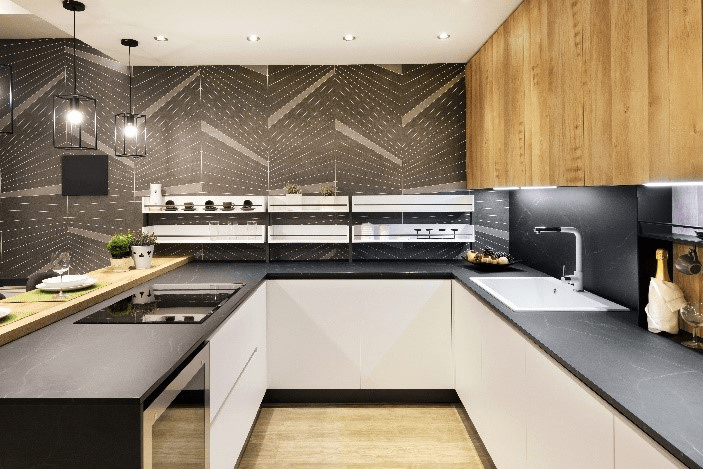
European Style Cabinets
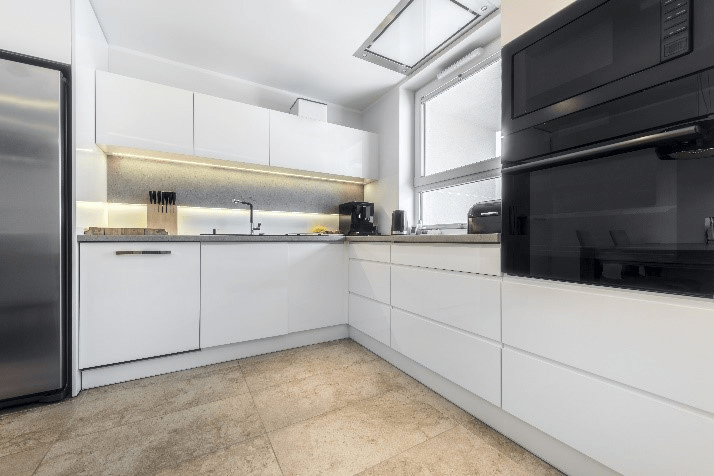
European Style Cabinets refer to a modular type of cabinet that is popular in European countries. In Europe, it is common for people to own their kitchen cabinets even if they are just renting their house, flat, or apartment. Having the cabinets in a modular style allow them to take the cabinets with them when they move. Because cabinets stay with owners, they are often highly personalized. The modular design is important because kitchen sizes vary drastically in Europe and the cabinets need to be adaptable and versatile to accommodate needs.
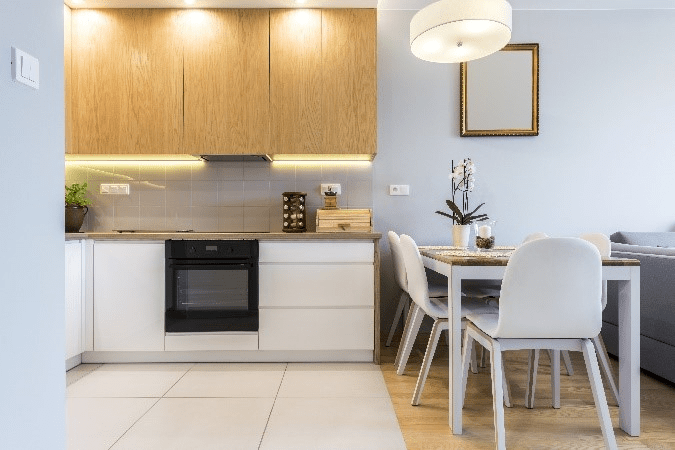
European style cabinets use hidden hinges. This feature is used so frequently in European style cabinets that all cabinets with hidden hinges are referred to as European style. European cabinets are also almost always frameless, which aids in maximizing storage space while minimizing weight. They also feature modern styling with horizontal grains.
Shaker style cabinets
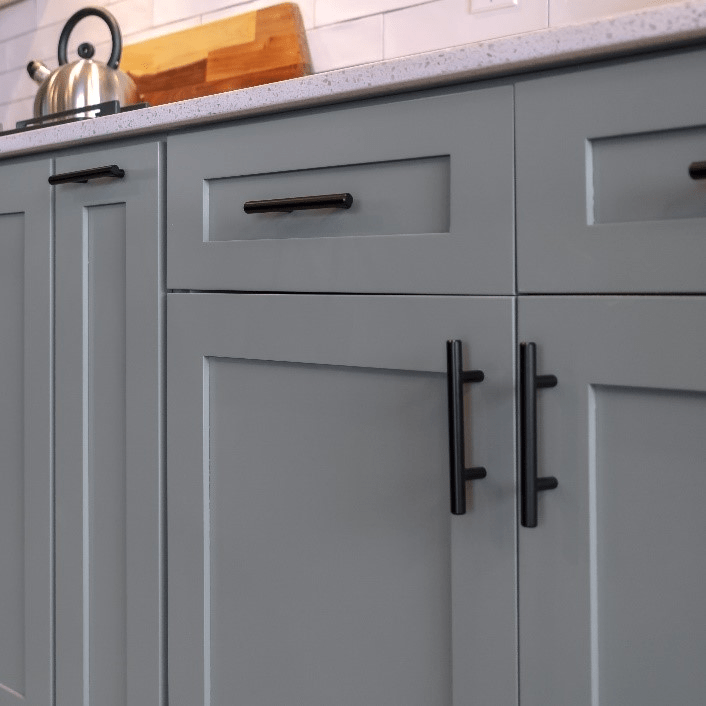
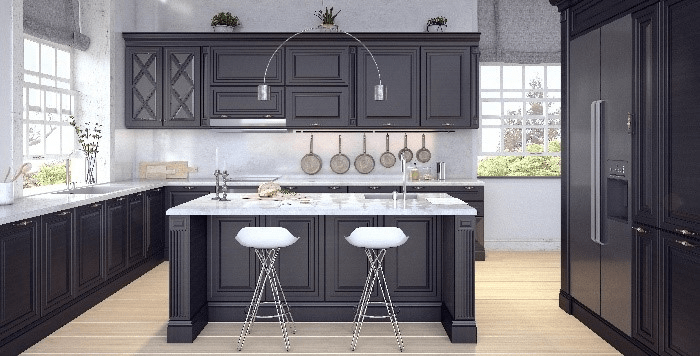
Shaker style cabinets are a very popular form of cabinetry. They have simple, but attractive design that works with any design aesthetic. Shaker style cabinets use recessed doors with 90-degree angles and minimal to no adornments. They typically feature light finishes and simplistic hardware.
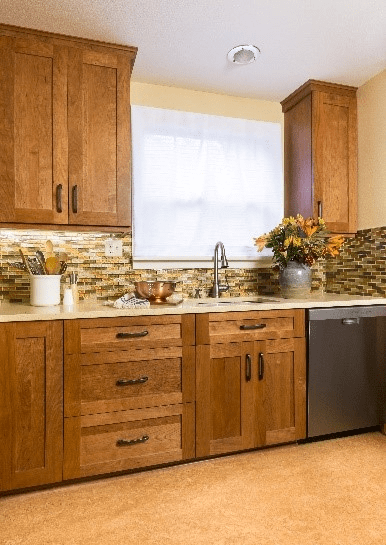
Shaker style cabinets are so named because they imitate the furniture designed by the Shakers. Shakers were known for being skilled craftsmen and carpenters. Many shaker style cabinets are built using hardwood to replicate the high-quality materials they are named after. As shaker style cabinets have become more popular, prefabricated cabinets using veneer panels have started to be produced. Depending on your kitchen style, shaker cabinets can use natural or light finishes and can even be distressed to emulate an aged appearance. Wooden knobs work well with shaker style cabinets because they pair with the simple features.
Overlay
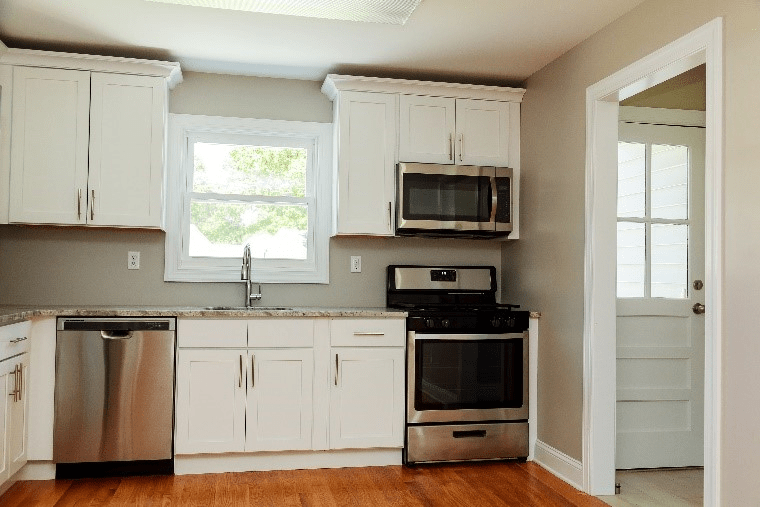
The overlay is the amount of front frame covered by a cabinet or drawer front piece. Two commonly used terms when describing cabinet overlays are full overlay and traditional (or partial) overlay. When selecting an overlay type, it is important to select the same type for the whole kitchen or bathroom. This creates a continuity of design throughout the space.
The difference between a full overlay and a traditional overlay is the visibility of the cabinet frame. Full overlay covers the entire front of the frame giving a modern, seamless look to the space. Traditional (Partial) overlay doors and drawers have a 2-inch space across the cabinet run, which shows a strip of the cabinet frame.
Partial or Traditional Overlay
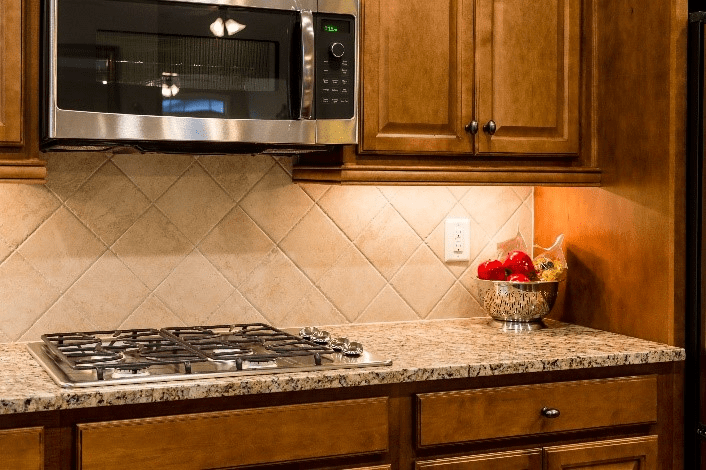
Traditional or Partial overlay doors and drawers are defined by the fact that there is a consistent 2-in strip of visible frame across the run of the cabinets. The visible spacing between the door and drawer fronts is the most defining detail of this type of cabinet.
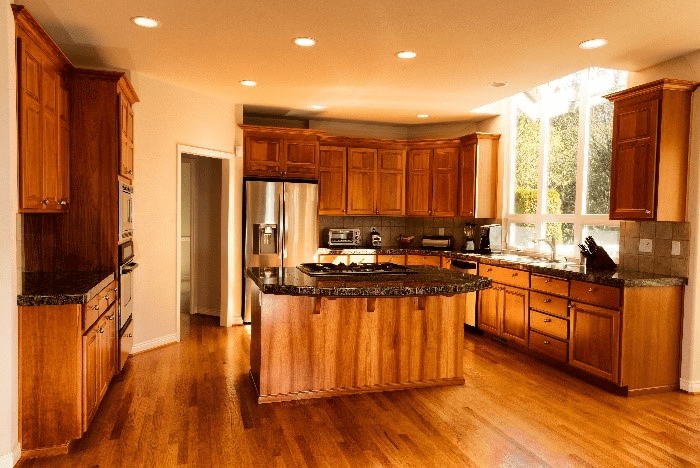
Traditional (partial) overlays are the most common and traditional type of cabinetry. The common use of this type of cabinet means that it is typically the more affordable style of cabinetry. Many prefabricated cabinets include traditional overlays. Another cost saving feature of this style of cabinet door is the fact that less precision is needed to hang the door as it does not have to be matched precisely. This is different from a full overlay, which requires a high level of precision and must be matched to the frame exactly.
Full Front Overlay
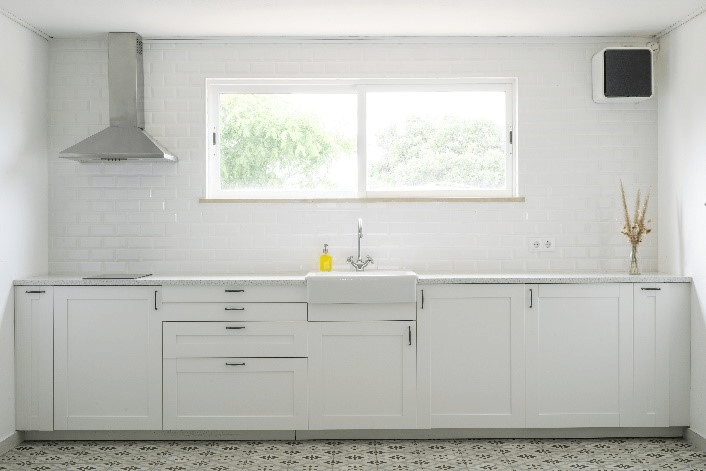
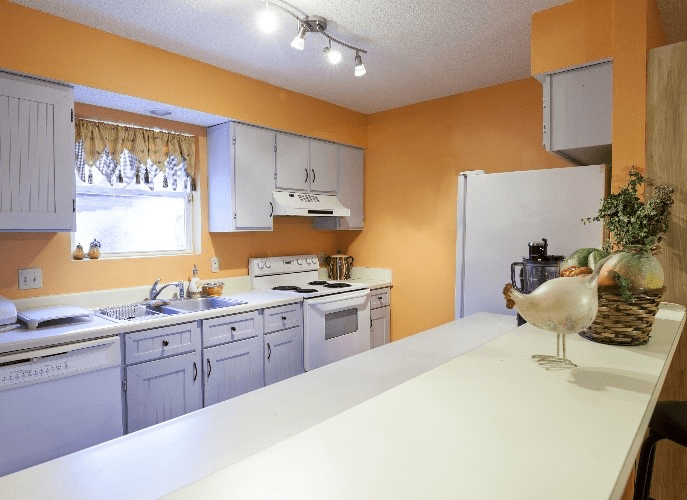
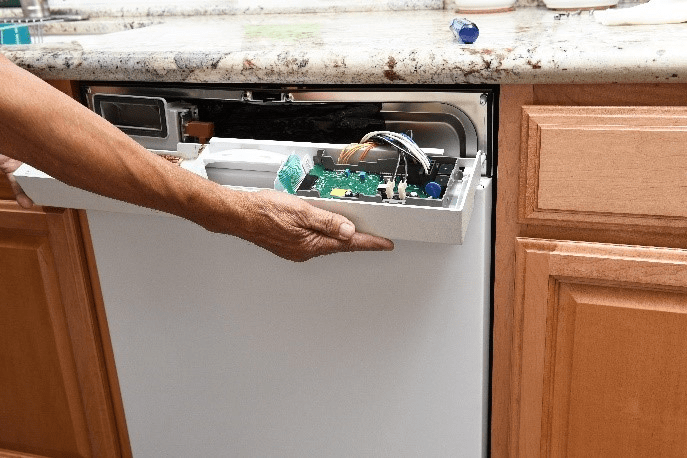
A full front overlay is a cabinet door that covers the entire front of the cabinet frame. This style creates minimal gaps of viewable frame space, which is the defining characteristic of the full front overlay.
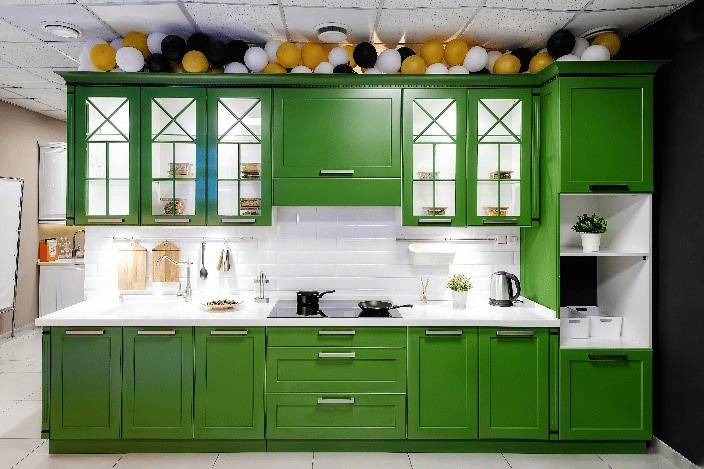
A full overlay cabinet door fully conceals the cabinet box (though it might leave a small 3/8” gap depending on hinges). A full overlay door can be used on both framed and frameless cabinets and fully rests on the cabinet opening when it is closed. Another benefit of a full overlay is the fact that it does not interfere with access to the interior space of the cabinet.
Framed Cabinets

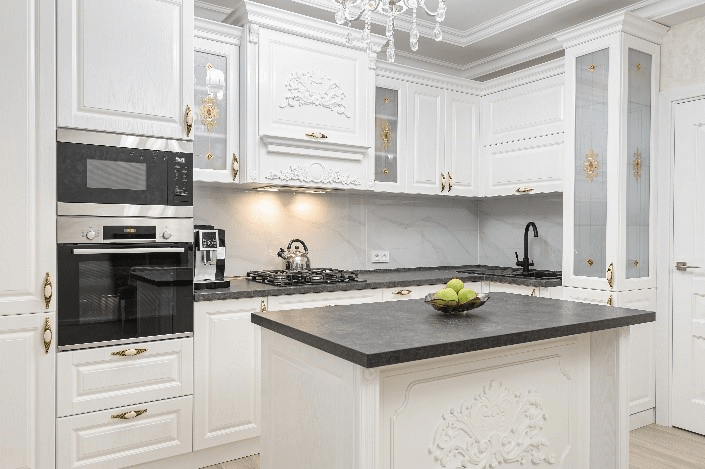
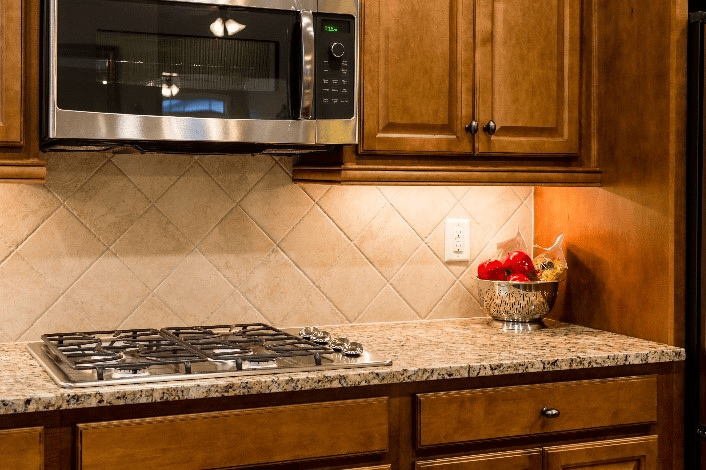
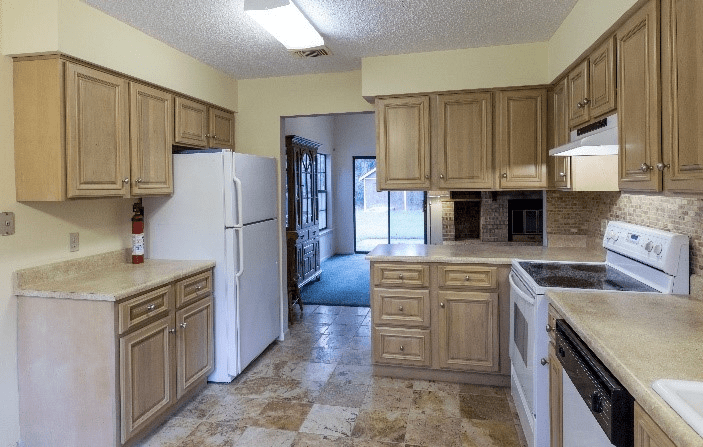
Framed cabinets (or Face framed cabinets) are cabinets that have visible or slightly concealed structural frames. Framed cabinet boxes were the original design used in North America. This was due in large part to the common use of exposed hinges. However, hinge design advancements have removed the structural need for a frame, allowing for the construction of both framed and unframed cabinet boxes. Framed cabinets require the overlay measurements to make certain cabinet doors are uniform.
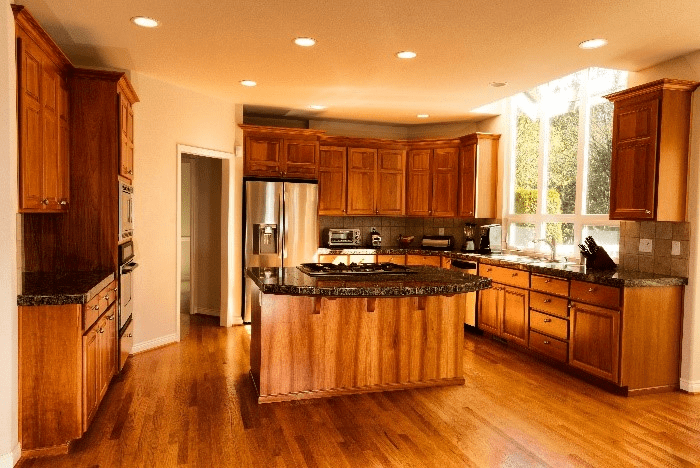
Despite the availability of frameless cabinets, framed cabinets are still very common and regularly used in remodeling projects. The style is easily recognizable by the visible trim board that is used to create stability in the cabinet box. Due to the structural nature of the trim boards, they are often made of hardwood, even if the rest of the cabinet box is made with engineered wood. The benefit of framed cabinets over frameless cabinets is the sides of the cabinets can be made from less structural, and therefore less expensive, materials. Frameless cabinets require high quality materials throughout in order to maintain stability and quality. The one disadvantage of framed cabinets is the trim board will regularly interfere with access to some items in the cabinet.
Frameless Cabinets
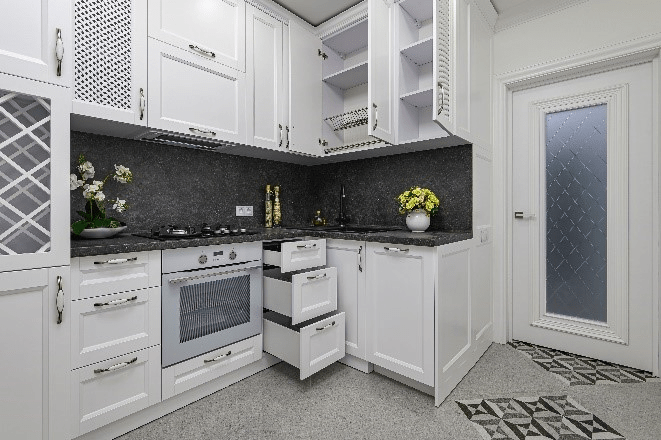
Frameless cabinets remove the need for trim boards, which increases the ability to access items in the cabinet. Frameless cabinets are so popular in Europe that they are often referred to as European cabinets. They incorporate a hidden hinge that does not require a frame for mounting. Despite its popularity in Europe and Asia, frameless cabinet design is still not the most popular design in North America.
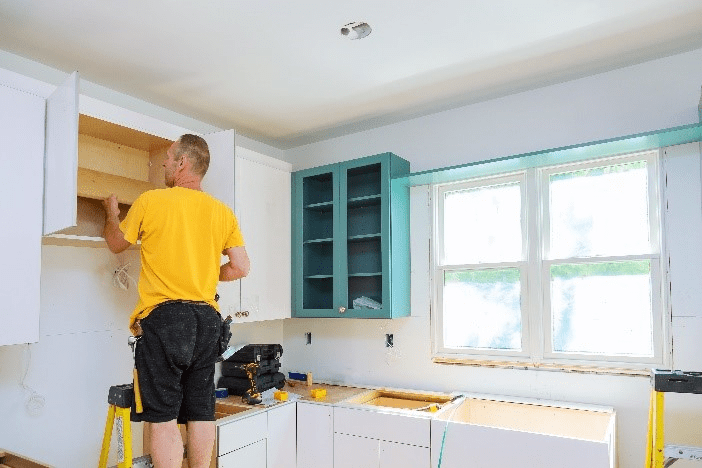
Frameless cabinets are often used in modern kitchen styles. This style is very functional due to the lack of visible hinges and unhindered access to compartments. Frameless cabinets are typically constructed from stronger materials thus giving them the reputation for being more durable.
Bridge Cabinet
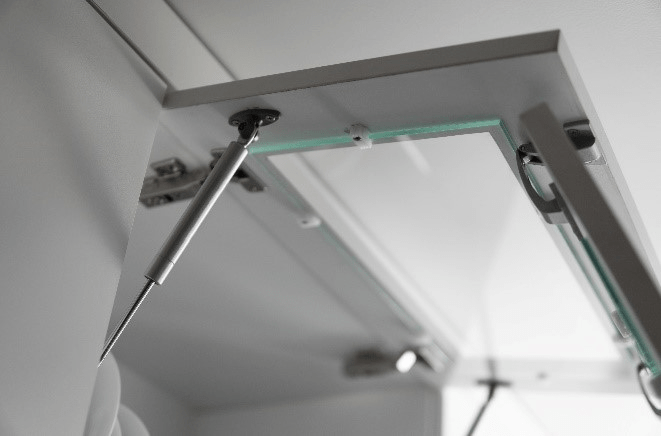
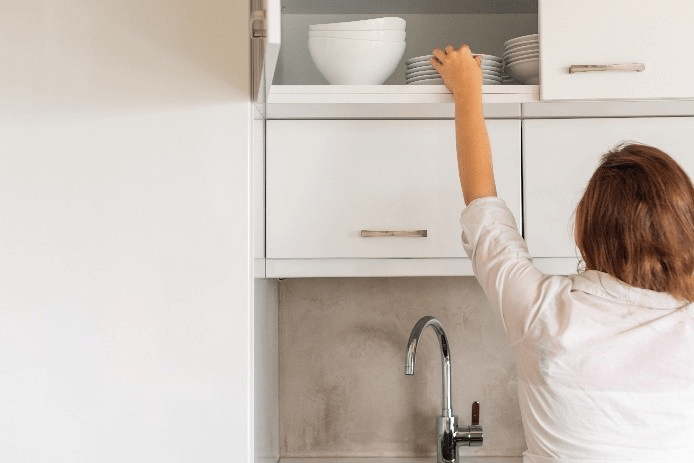
A bridge cabinet is cabinet storage that fills space between 2 separated wall cabinets. Bridge cabinets are typically used over sinks, refrigerators, and stoves.
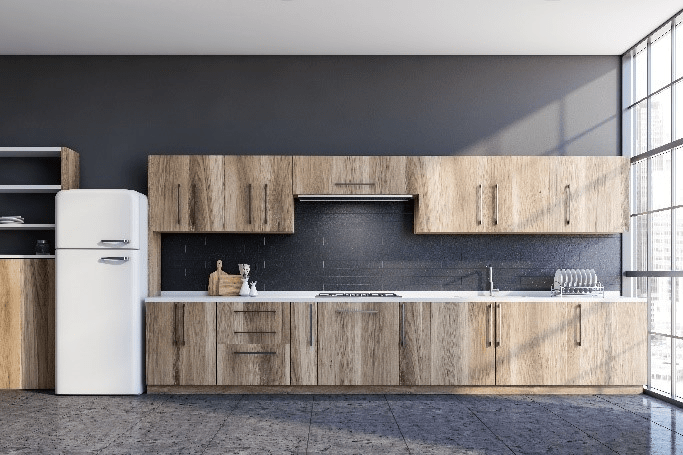
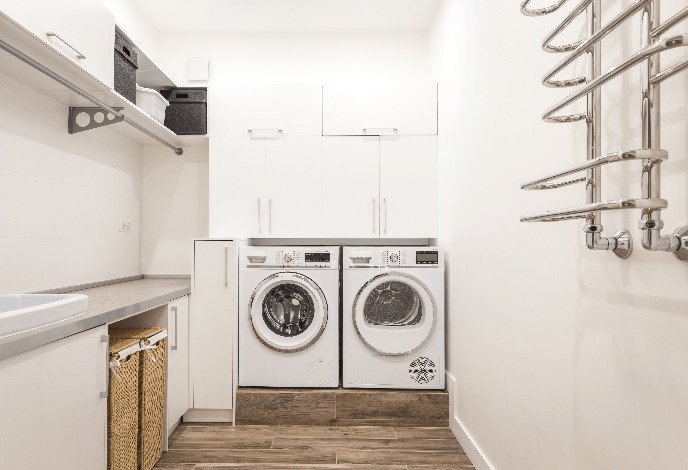
Bridge cabinets can help add storage to a small space in a visually appealing way. These cabinets are used to fill spaces that a standard size cabinet might not fit. A bridge cabinet is typically less than 30 inches tall. Bridge cabinets are typically placed near the ceiling and are not always easy to reach, but they are great for storing extra cups, cookbooks, and infrequently used small appliances. Bridge cabinets are used for creating a continuous look in the kitchen in an area where a full size cabinet will not fit. These cabinets are attached to the adjacent cabinets and the ceiling. This type of cabinet is also used in bathrooms, offices, and laundry rooms to provide a shorter cabinet near the ceiling for additional storage.
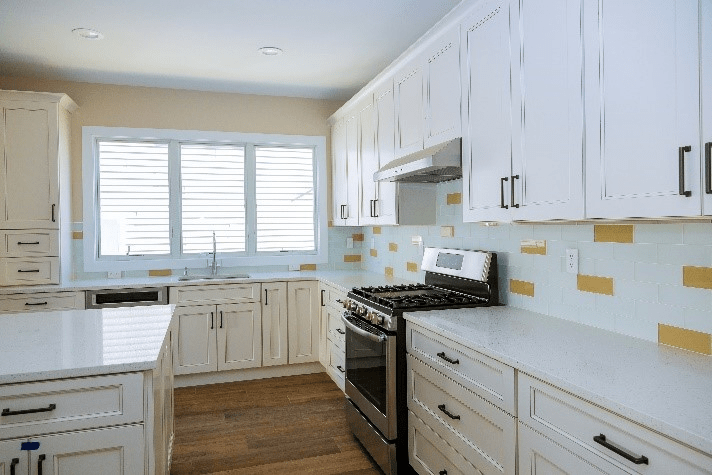
Custom Cabinet
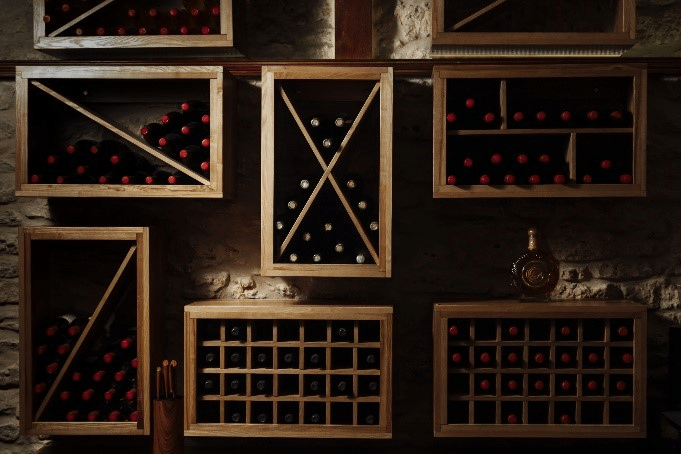
Custom cabinets are cabinets built to fit a unique size, shape, or room. These cabinets are measured and created from scratch specifically for one area. They can be on the floor or ceiling depending on the needs of the homeowner.
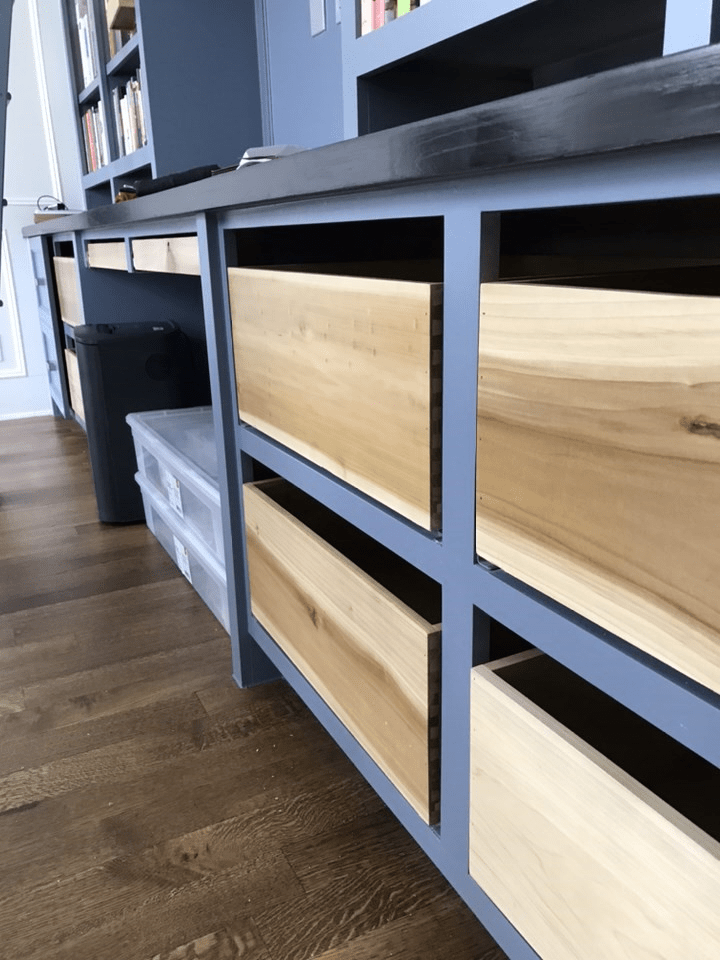
Custom cabinets are built by a professional carpenter or cabinet maker to exact measurements to fit only in the area they will be used. These cabinets may need to be taller than a standard cabinet or fit in a narrower space than standard sizes. They many even be designed and built to work around obstacles. Some carpenters/cabinet makers will measure and then build the cabinets off site at a remote workshop while others will build the cabinets on site to make sure they are fitting properly while they are building. Despite the fact that most cabinets come in prefabricated (or stock) sizes, custom cabinets offer options to fit any design or space. The nature of the custom cabinets allow for various different materials to be used in their construction including glass, tin, or wood doors.
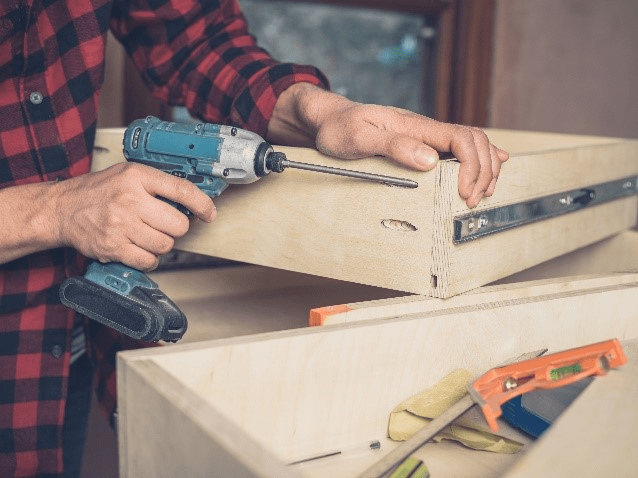
Prefabricated Cabinets
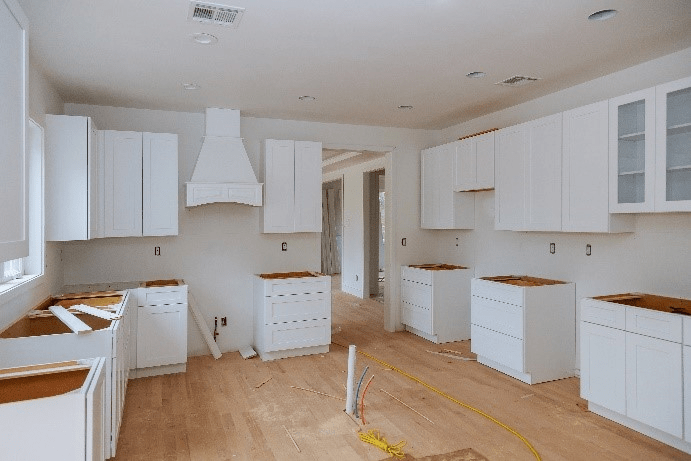
Prefabricated (or stock) cabinets are manufactured in large quantities using standard measurements and common styles. Due to the mass production of these cabinets, they are less expensive than custom cabinets.
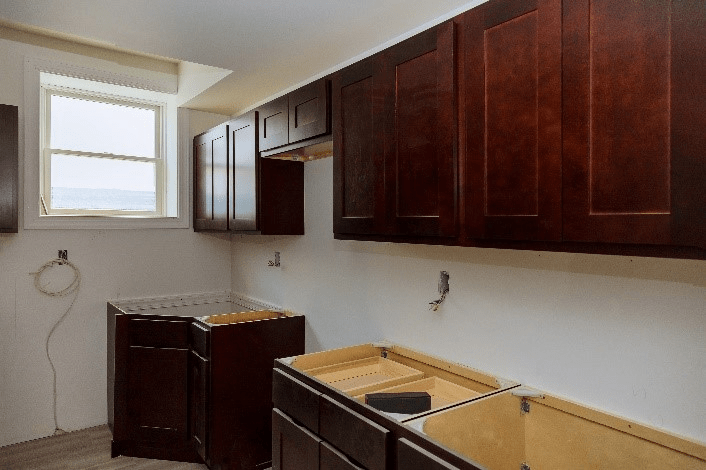
Prefabricated (or stock) cabinets are built in a factory using only standard dimensions. There are several varieties of wood, styles, and colors available, but the options are greatly limited in comparison to custom cabinets. Despite the limitations of available styles, most consumers can still show their design aesthetic with prefabricated cabinets. Contractors and homeowners can often pick up these cabinets or have them delivered to the home. The set dimensions of stock cabinets can sometimes make creating a uniform appearance difficult as they do not always fit the exact measurements of each kitchen.
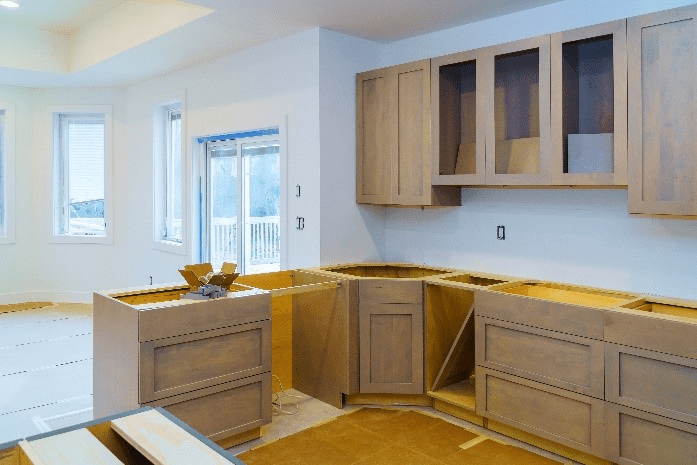
Modular cabinets
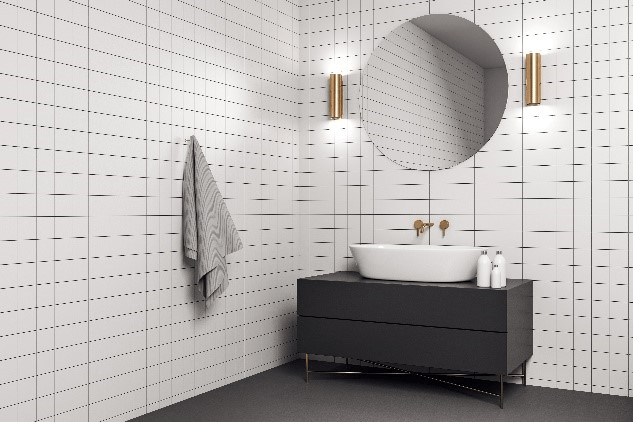
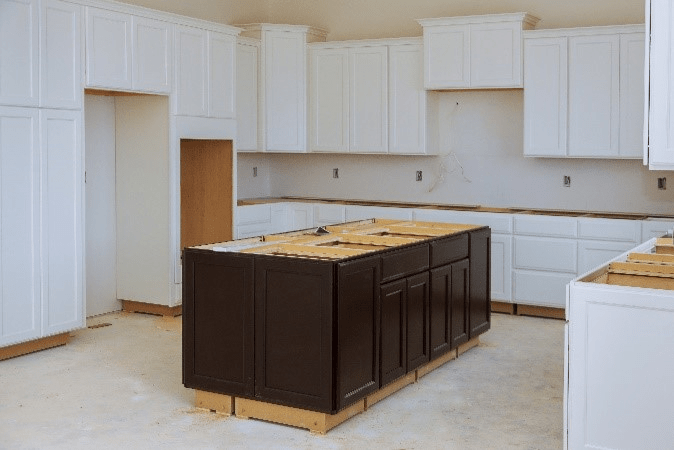
Modular cabinets are prefabricated cabinets that can be used individually for a specific purpose. Modular cabinets can sometimes be called semi-custom cabinets, though this term is not commonly used for this type of cabinet. Examples of modular cabinets include curio cabinets, garage cabinets, and bathroom cabinets. They can even be used to create additional workspace in a kitchen or organize pantries.
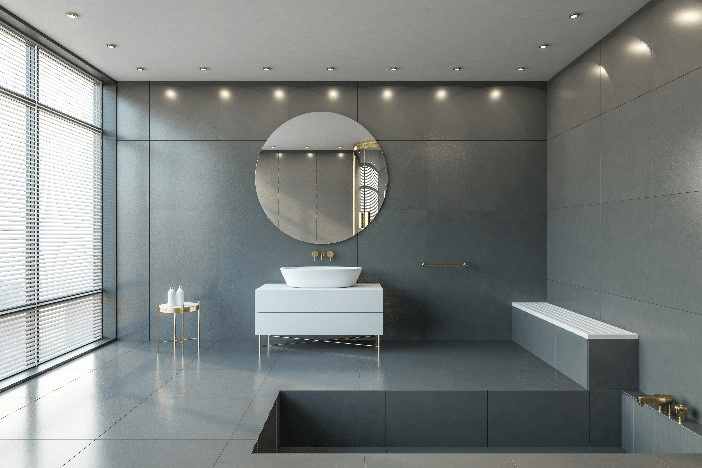
These prefabricated cabinets are often made from quality materials like solid wood, medium density fiberboard, and steel. Modular cabinets also cost less than custom cabinets. Modular cabinet units are not attached to other cabinet units. The benefit of modular cabinets is that they can be put anywhere in a room. They can be ceiling mounted to save floor space, stacked on counters, or placed on the floor. Modular cabinets are made in many different dimensions and with multiple finishes to allow purchasers to pick a cabinet that fits their design aesthetic.
Semi-Custom Cabinets

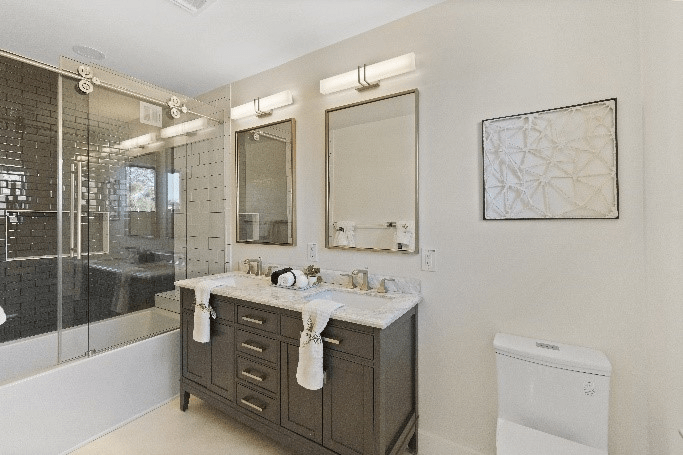
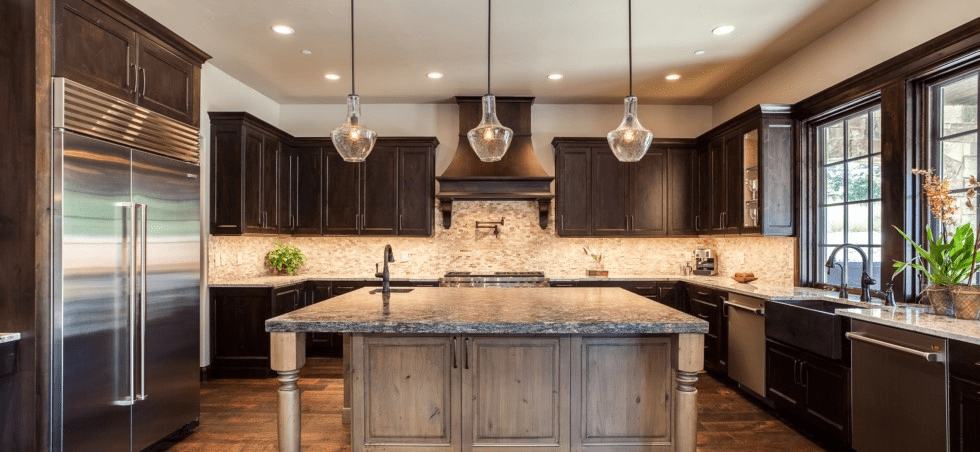
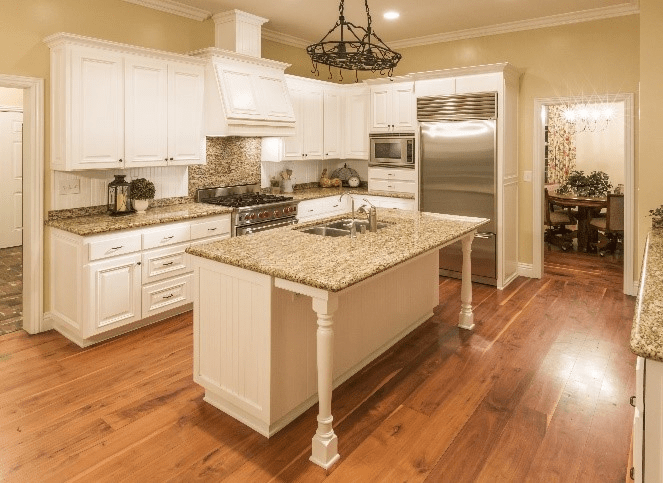
Semi-custom cabinets are prefabricated cabinets that can be enhanced with custom features. They are often used in homes for sturdy, beautiful cabinets that cost less than custom cabinets.
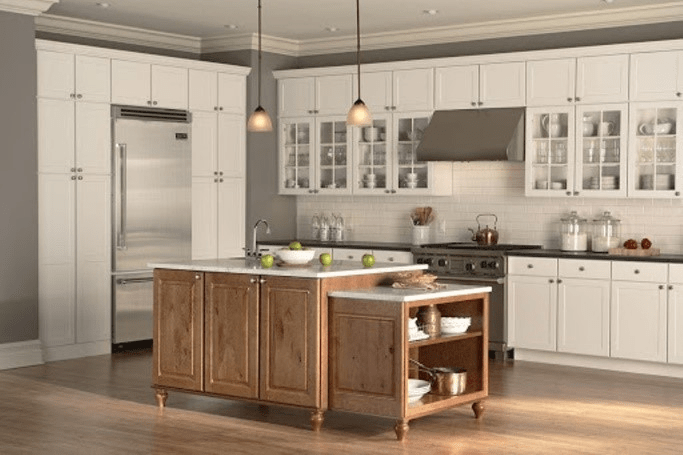
Semi-custom cabinets are typically higher quality than prefabricated cabinets but not as high quality as custom cabinets. Semi-custom cabinets give the homeowner the ability to choose different dimensions, wood types, and finishes on their cabinets. Styles of semi-custom cabinets can sometimes be limited, but clients can add custom features for a significant price increase. However, the price increase may be significant enough that it is worth it to upgrade to fully custom cabinets instead of trying to turn a cheaper semi-custom cabinet into what the homeowner is looking for. Many homeowners choose to upgrade semi-custom cabinets with beautiful hardware to enhance their design aesthetic.
Classic Crown Molding
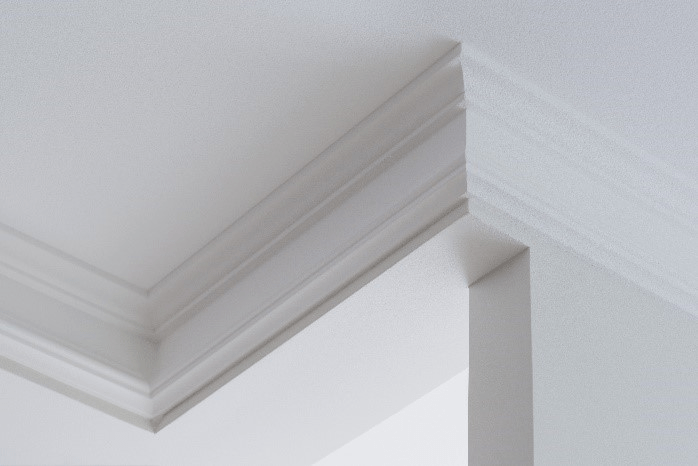
Crown molding is a trim used around the ceiling on the top edge of a wall or to trip the top of cabinets.
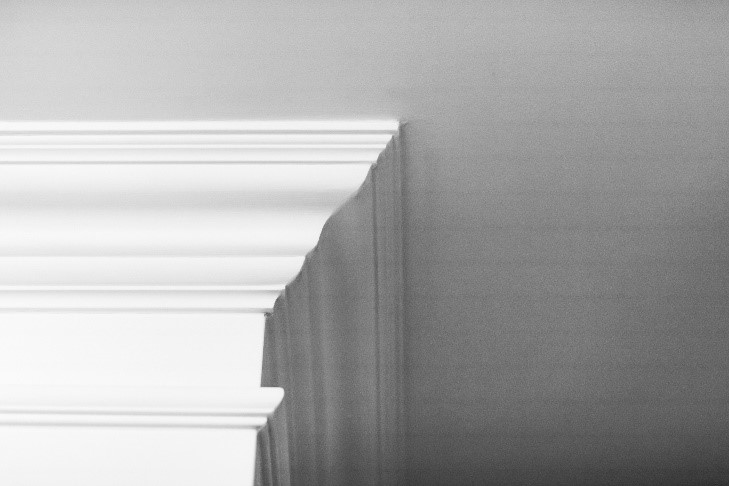
Many people use crown molding to add an elegant touch to a room. The crown molding helps draw the eye upwards to where the ceiling and wall meet or towards the tops of the cabinets. Crown molding is regularly used with baseboards and sometimes chair rails to create a cohesive, elegant design. Crown molding can be made with either softwoods or hardwoods and come in various lengths and with various finishes. Classic crown molding uses clean, simple lines and is used in both older homes and newer buildings to give a sense of grandeur. There are other types of crown molding that come in more ornate trims.
Dentil Molding

Dentil molding is a wooden trim composed of tooth-shaped blocks of wood. It is used on both interior and exterior designs. It is common in ancient Roman and Greek architecture where blocks were carved into the stone of buildings.
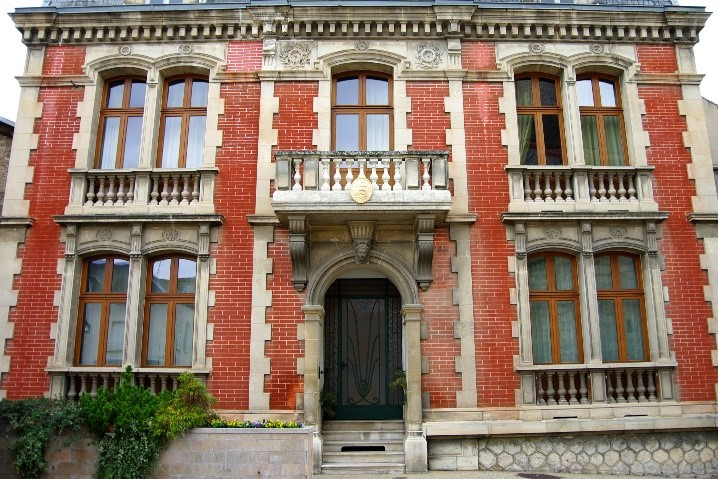
Currently, dentil molding is made of mostly wood composite materials or wood. It is more difficult to install than classic crown molding and, as such, is more expensive. Dentil molding requires that the blocks be cut to precise measurements with exact spacing between the blocks. Dentil molding is regularly used in buildings and even homes that imitate Greek and Roman architecture. It is used along roof lines, but also can be around interior doors and along ceilings.
Toe Kick
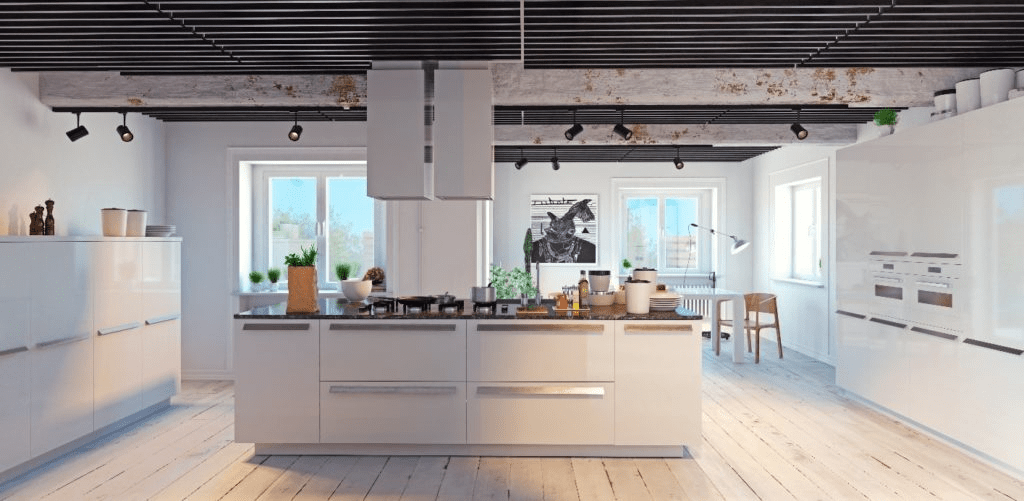
a toe kick is the space between the base of a cabinet and the floor. It is less commonly referred to as the toe space.
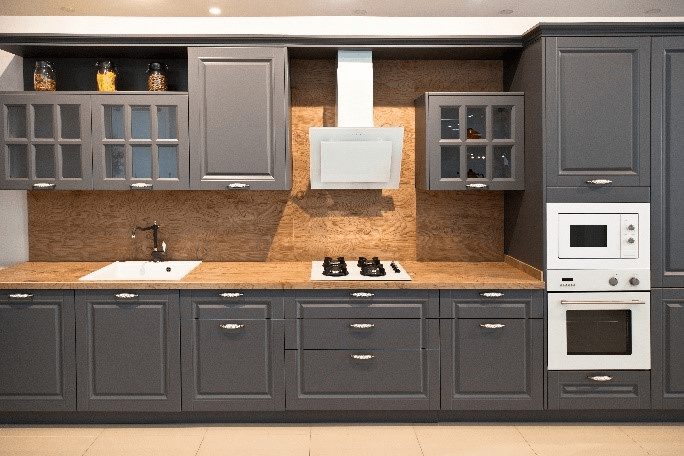
This recessed area is placed at the bottom of a cabinet in order to increase the homeowners’ comfort while using the countertop. This recessed design allows the homeowner to reduce the space needed to reach the counter surface, creating an ergonomic design that reduces stress on the homeowners’ hips and back and improves balance. Toe kicks are made of wood, plastic, or metal and can have vent holes cut into them. The benefit of toe kicks is that they are easy to replace if damaged. While the use of custom toe kicks is unusual, it can be done in unique kitchen and bathroom designs.
Flooring and Tile Section
Solid Hardwood Flooring
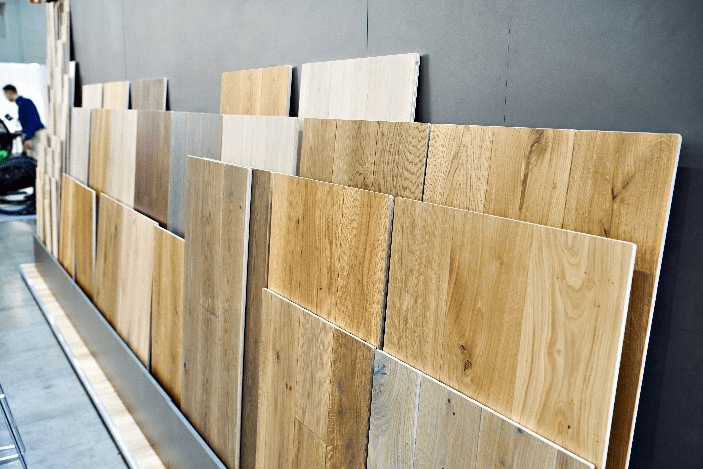
As the name implies, Solid Hardwood Flooring is made from a solid piece of milled wood. It has solid wood all throughout the pieces of flooring. Many types of wood are used in solid hardwood flooring, but the most popular types of wood used are oak, cherry, maple, or walnut. It is considered a high-quality material and is versatile. However, due to the high-quality of the material, it is more expensive than many other types of flooring. Solid hardwood flooring also requires special cleaning materials and regular maintenance. A fresh coat of finish is required every 3-5 years to keep the hardwood looking like new.

Pros of Solid Hardwood Flooring include the ability to refinish when damaged, an increase in home value, durable and strong, there are many varieties of hardwood floor. Cons of Solid Hardwood Flooring include the high price tag, not moisture resistant, can get scratches, dents, and scrapes in high-traffic areas, and the inability to use solid hardwood floors in bathrooms, laundry rooms, and basements due to the lack of moisture resistance. The average cost of installed Solid Hardwood flooring is $5 to $10 per square foot.

Engineered Hardwood Flooring
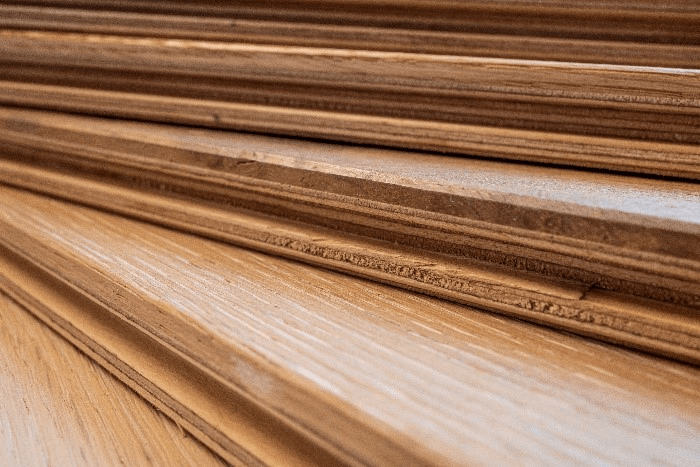
Engineered Hardwood Flooring is an option to get the look of solid hardwood floors at a slightly more reasonable price, saving around $1 per square foot. Engineered Hardwood Flooring is created by bonding a thin layer of hardwood on top of a high-quality plywood. It is considered to be as durable as solid hardwood flooring with a similar life span.
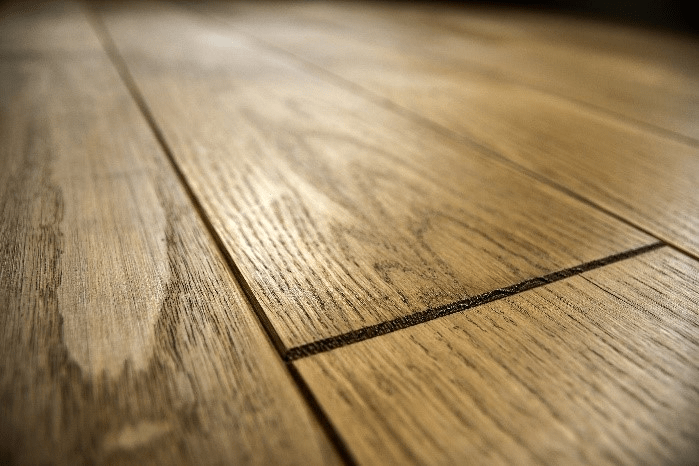
Pros of Engineered Hardwood Flooring include the real hardwood layer on top, greater resistance to moisture than solid hardwood, many different installation techniques, less likely to warp, and the ability to DIY install the material. Cons of Engineered Hardwood flooring include the inability to refinish the product when there is damage, fading, hollow sound when walking on it, and massive quality variations. Engineered Hardwood Flooring can also emit VOC’s, which stands for volatile organic compounds. The term VOC’s encompasses a large array of chemicals, some of which have long- or short-term adverse health effects. The average cost of installed Engineered Wood Flooring is $4 to $9 per square foot.
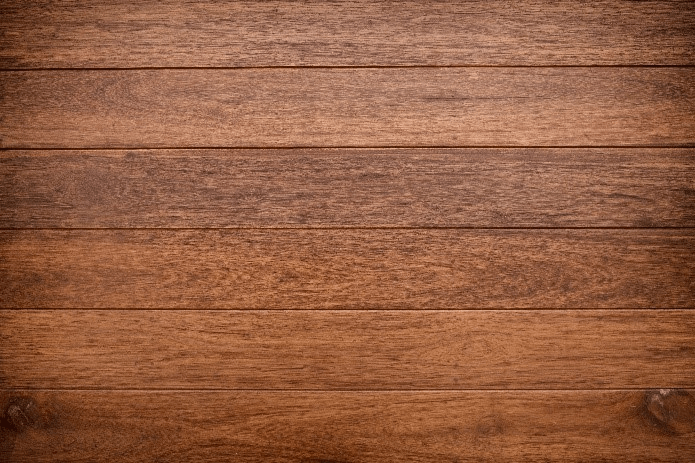
Laminate Flooring
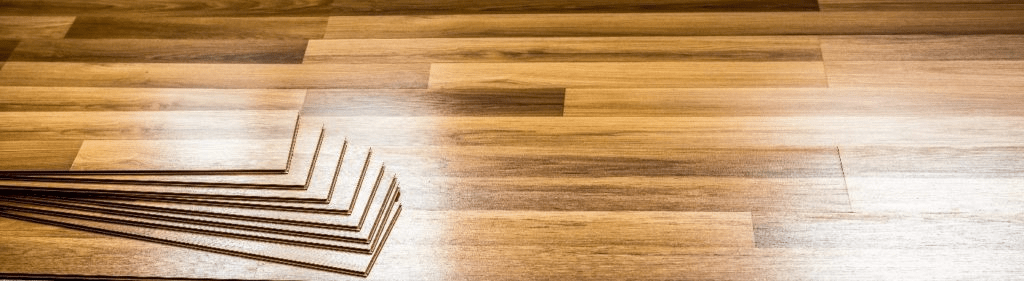
Laminate flooring is considered an affordable choice for homeowners. It is used as an affordable hard alternative to carpet while still avoiding the cost of tile or hardwood. Laminate flooring is comprised of a particle board base covered with a wood or tile designed photo and then covered with a clear, plastic protective layer.
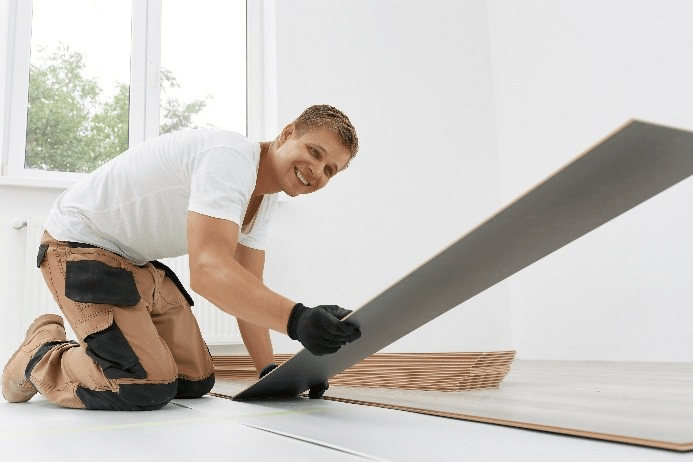
Pros of laminate flooring include the low cost, scratch-resistance, ease of cleaning, multitude of color and style options, and ability to DIY install the material. Cons of laminate flooring include chipping, hollow sound when walking on it, the fact that it does not feel or look like real wood, and the fact that it is easily damaged with moisture. The average cost for installed Laminate Flooring is $3 to $7 per square foot.
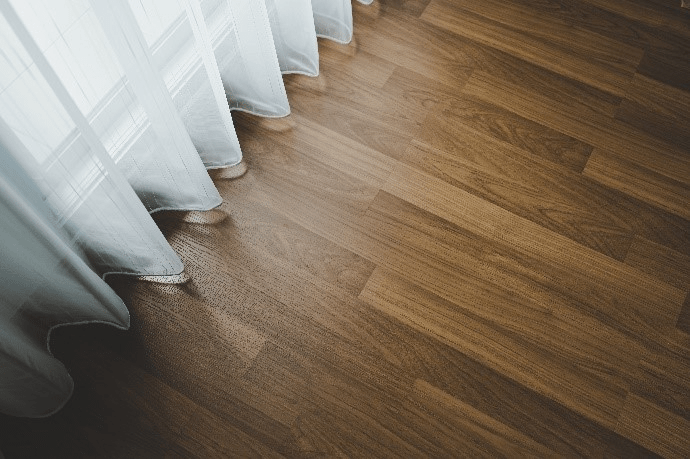
Vinyl Flooring
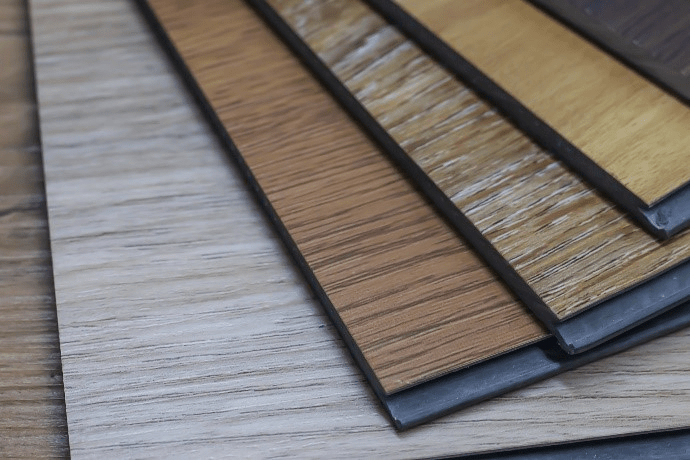
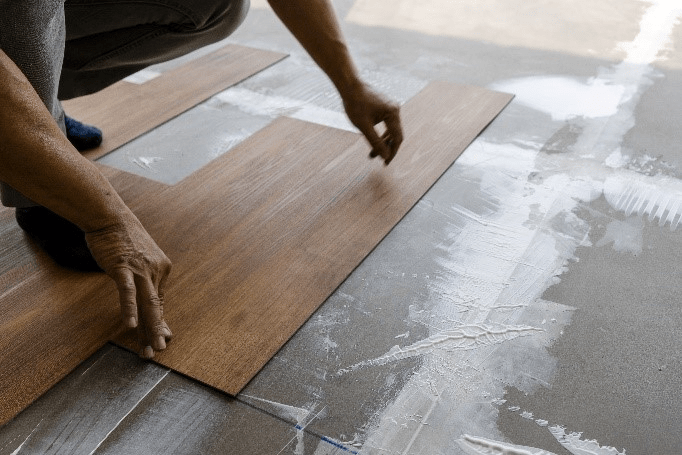
Vinyl flooring is created using plastic and is available in many forms including tile, sheet, and plank. The plastic composition allows this flooring to be water resistant. So much so that the flooring will not sustain damage even is water remains on the surface of the flooring for extended periods of time. Luxury Vinyl Plank (aka LVP and Luxury Vinyl Tile (LVT) have gained popularity recently for their durability, ease of maintenance and relatively low cost in comparison to wood floors. There are a variety of styles available in Vinyl flooring, which gives homeowners many choices.
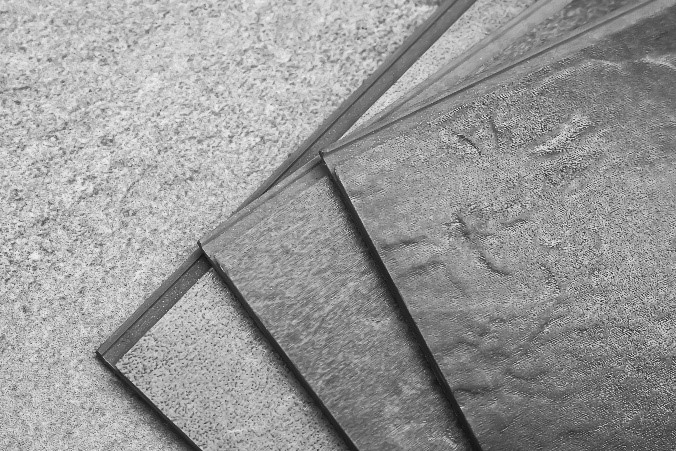
The pros of Vinyl Flooring include durability, fade- and water-resistant properties, multiple designs, and ease of maintenance. While Vinyl Flooring is water resistant, water can get in between the cracks and below the flooring. It can be used in wet areas, but it is not recommended. The cons for Vinyl flooring include the lack of return on investment from using this type of flooring (versus wood flooring ROI) and the cost being higher than laminate. However, the cost is not significantly higher than laminate averaging $1.50 per square foot for sheet vinyl and $6 to $9 per square foot for LVP and LVT.
Linoleum
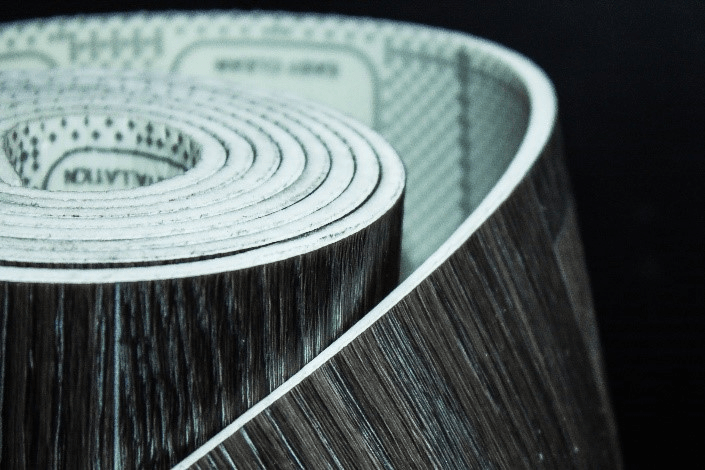
is a type of eco-friendly flooring that is both durable and affordable. Linoleum flooring is made with cork and linseed oil. Linoleum flooring comes in sheets and encompasses a plethora of colors and styles. The elasticity of the materials makes linoleum flooring resilient. Linoleum can last for decades with proper care. It is also affordable and easy to install.
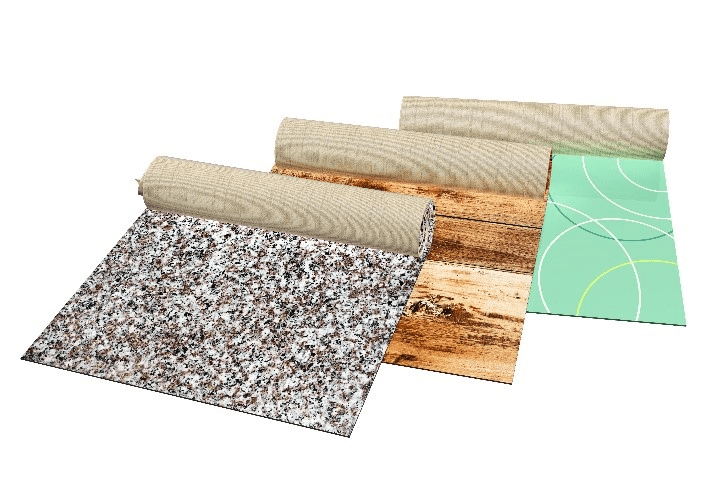
The pros of linoleum flooring include the low cost, eco-friendly composition, variety of patterns and colors, ease of maintenance, and DIY installation. The cons include the lack of return on investment, ability of it to be dented or cut, color changing with exposure to sunlight, and lack of moisture resistance. The average cost for installed linoleum flooring is $4 to $8 per square foot.
Carpet Flooring
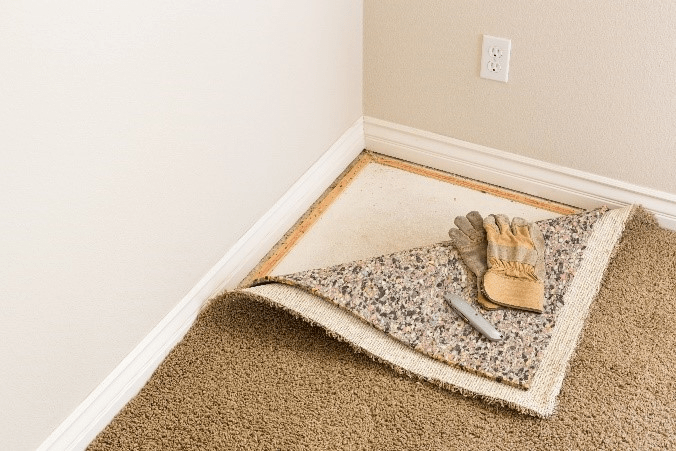
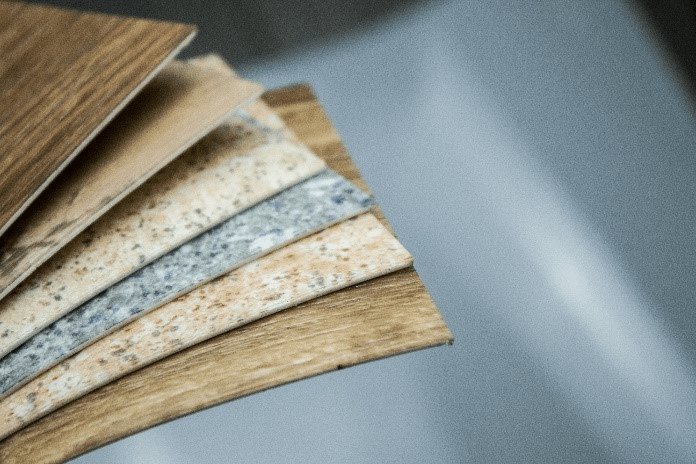
Carpet is a popular option for homeowners to use in bedrooms. While many people are now using hard flooring in common areas of the home, carpet is still a popular choice in bedrooms. This gives a softer, warmer feeling under foot when getting in and out of bed. Many carpets now include stain-resistance, and carpet is still the most cost-effective option for flooring.
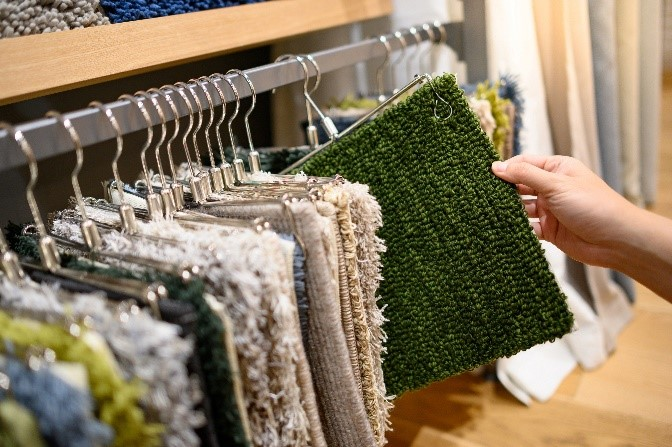
The pros of carpet include a visually warm feeling in a room, soundproofing qualities, stain resistant technology, a multitude of colors and materials, and the warm, soft feeling when walking on carpet. The cons of carpet include difficulty to clean, can stain, wears down in high traffic areas, and can trap allergens. The allergens can cause serious problems for people who suffer from allergies to things like dust and seasonal allergies for pollen that may get stuck in carpet. The cost of installed carpet can range from $2.50 to $10 per square foot depending on material, design, and style.

Bamboo Flooring
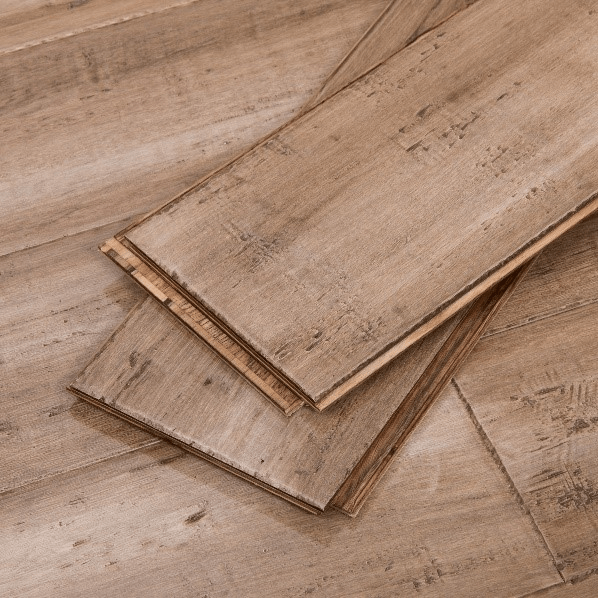
Bamboo flooring is made from bamboo grass, which is found in China and some other parts of Asia. This flooring is extremely eco-friendly because bamboo is one of the fastest growing plants in the world! In order to create flooring from bamboo, the bamboo needs to go through an extensive process. Despite the fact that bamboo is a grass, it is considered a type of hardwood flooring for many reasons.
- bamboo resembles hardwood in looks
- bamboo can be solid or engineered like hardwood
- it is possible to stain bamboo to create different looks
- like hardwood, it comes in equal size planks

The pros of bamboo flooring include its eco-friendly properties, lower cost than hardwood, durable when using strand-woven bamboo, easy to clean, and various different styles, grains, and colors. Cons of bamboo flooring include vastly different quality levels between brands, can be scratched, not being recommended for wet areas in the home, and the chance low-quality bamboo flooring could release an unpleasant smell/gas from the glue used. Installed bamboo flooring can range from $2 to $10 per square foot.
Cork Flooring
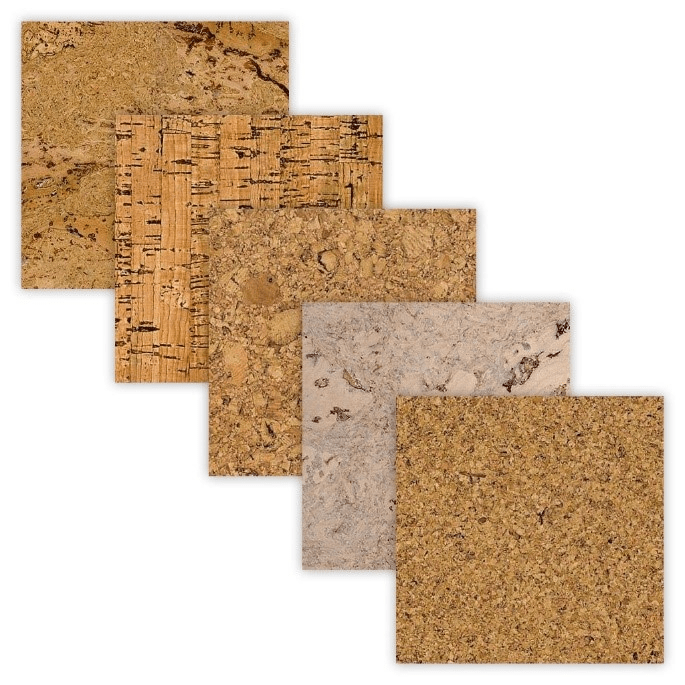
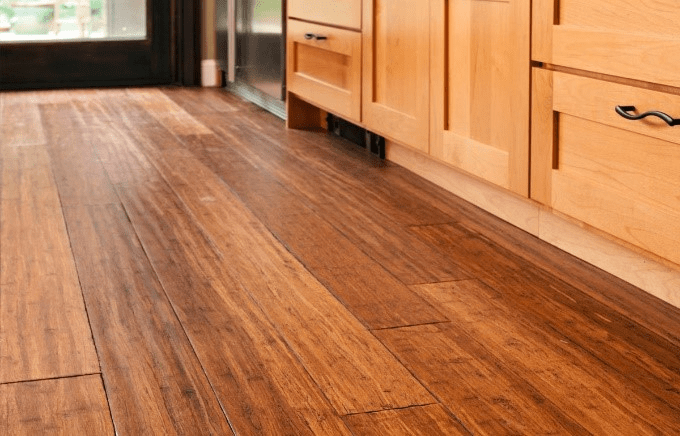
Cork flooring is created by using just the bark from a cork oak tree. The bark is harvested without destroying the tree and can grow back in as little as 9 years. This makes cork flooring an eco-friendly, sustainable flooring choice. However, if you are looking for a “perfect” flooring for the life of the material, cork flooring is not right for you. The softness of cork allows it to scratch and be damaged very easily.
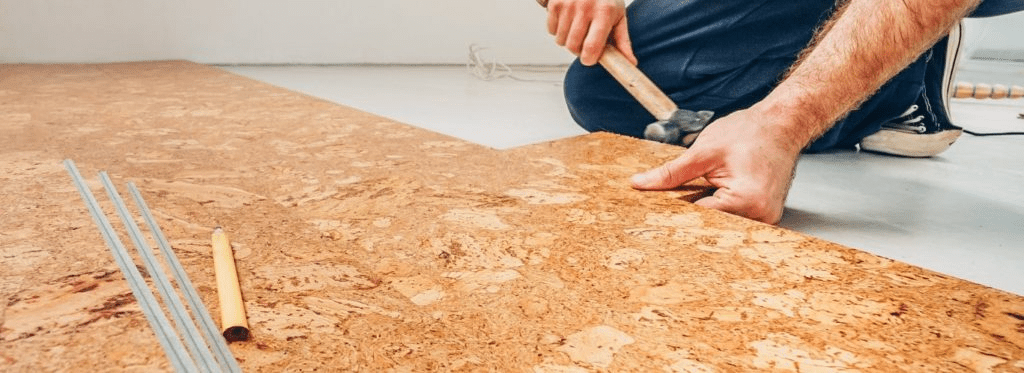
The pros of cork flooring include the eco-friendly materials, sound absorption properties, thermal insulation properties, long life, and natural resistance to mildew, mold, and termites. The cons of cork flooring include the soft material (which can scratch easily), higher than usual maintenance, and the need to refinish the surface. The price of cork flooring ranges from $3 to $12 per square foot.

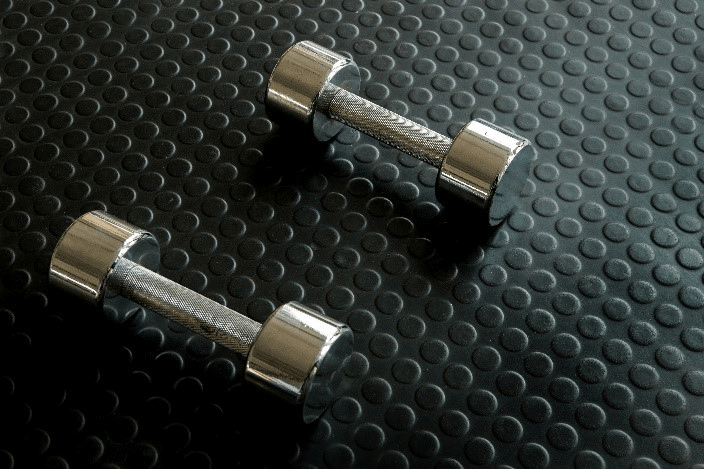
Rubber Flooring/Gym Flooring
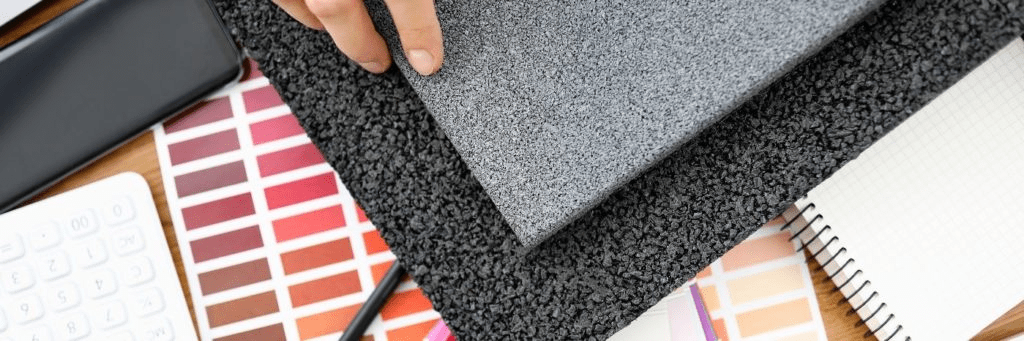
Rubber Flooring is commonly choice for flooring in industrial, retail, commercial, and residential locations. Rubber flooring comes in tile, roll, and mat format for versatile applications. Like other durable materials, rubber flooring is easy to clean and can be used in high-traffic and extreme use environments such as gyms, rec rooms, utility areas, laundry rooms, basements, and playrooms.
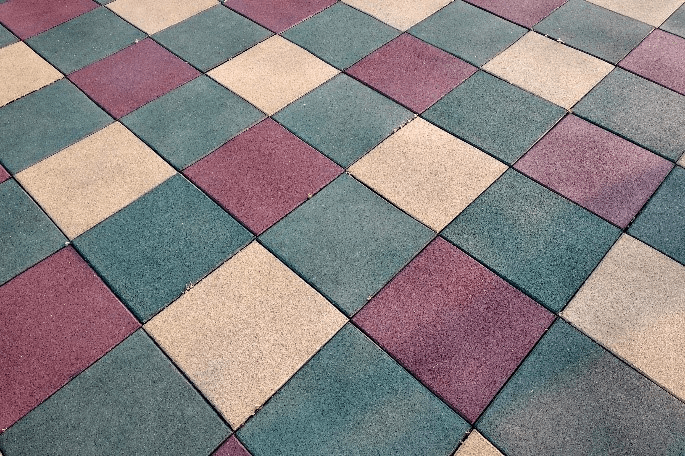
The pros of rubber flooring include durability, shock absorption, sound absorption, eco-friendly, and ease of maintenance, light weight, and ease of replacing damaged tiles. The cons of rubber flooring include time consuming installation in large spaces, seams in tiles can allow water through, no seamless appearance, rubbery smell for the first few months, and untextured rubber is slippery when wet.
Pricing for rubber flooring changes depending on the format. Poured rubber floors are the most expensive and range from $7 to $15 per square foot. Residential rubber flooring materials are the middle ground ranging from $1 to $15 per square foot. The cheapest form of rubber flooring is tiles and rolled mats at $1 to $8 per square foot.
Stone Flooring
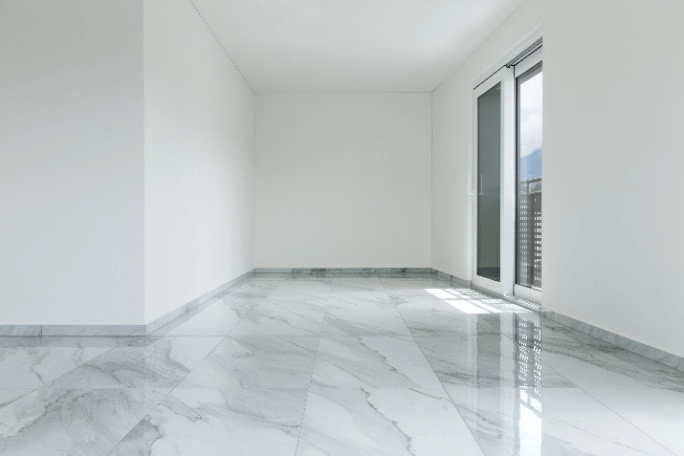
Stone flooring comes in a variety of different types of stone. Stone flooring encompasses all natural stone including granite, travertine, marble, sandstone and others. Natural stone flooring is a popular choice for both indoor and outdoor spaces. Stone flooring is durable and, depending on the stone and the sealing, waterproof. The care needed for floor maintenance is determined by the type of stone and the finish of the stone.
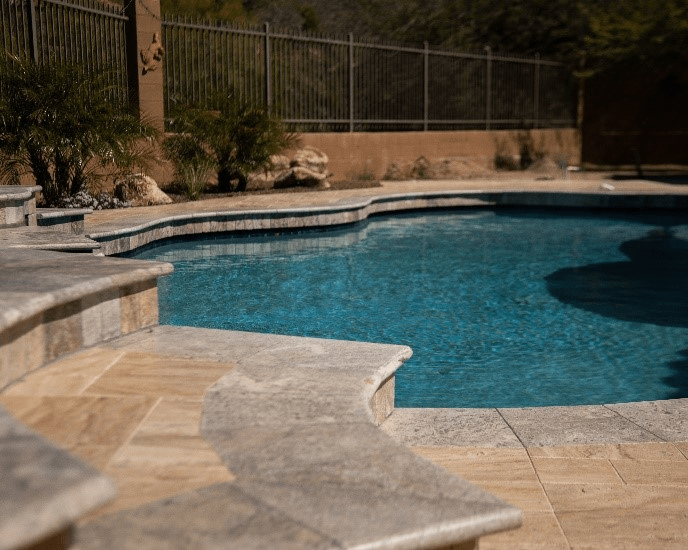
The pros of stone flooring include an elegant and bold impression, durability and long life, and waterproof capabilities with proper sealing. The cons of stone flooring include the difficulty to install, the cold feel under foot, the difficulty of maintenance, and the high expense. The average cost of stone flooring depends on the type of stone chosen and the location of the flooring (indoor or outdoor) and can vary from $8 to $24 per square foot for indoor or $9 to $44 per square foot outside.
Ceramic Tile
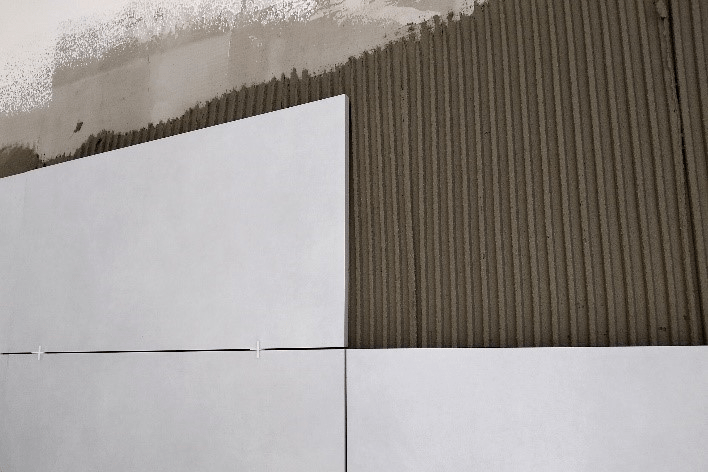
Ceramic tile is one of the most common types of tile used in home construction. It has many applications and uses due to its durability. It is commonly used in entryways, bathrooms, and kitchens, though it is regularly used in many other areas of the home. Ceramic tile comes in both glazed and unglazed allowing it to be used in a variety of designs from artistic and rustic to sleek and modern. Glazed tiles also allow for more protection thus longer lasting floors.
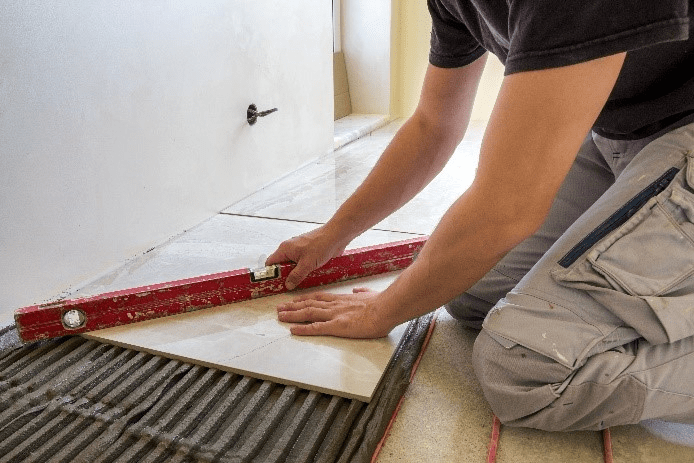
The pros of ceramic tile floors include durability, water-proof flooring, versatile uses, easy cleaning of tiles, low cost, and a variety of color and style options. The cons include the chance of chipping or cracking, difficulty in replacing damaged tiles, difficult to install, large cost variance between options, and hard to clean grout. Ceramic tile can vary in price from $0.50 to $35 per square foot. However, installation costs can vary greatly and depend on the person installing it with the average range being $7-10 per square foot.
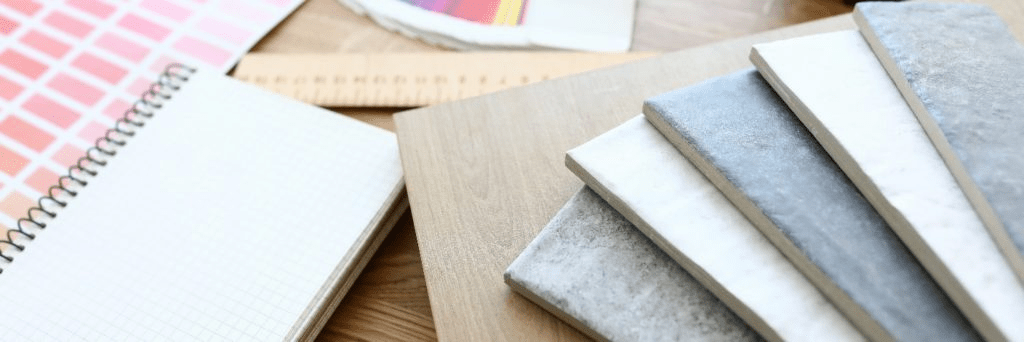
Porcelain Tile
Porcelain tile is another very common type of tile used in home construction and renovation projects. Porcelain tile has the ability to imitate a number of different materials including brick, natural stone, and wood. It also gives the look of these materials without having to do any of the maintenance. Porcelain tile can be used in high-traffic areas such as bathrooms, kitchens, entryways, and even living rooms. It is also able to be used outside as it will not fade, crack, or freeze.
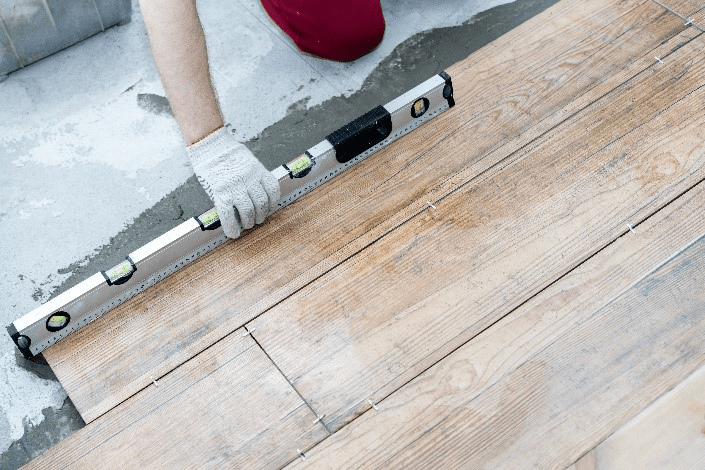
The pros of porcelain tile include durability, cold resistance, versatility, variety of designs, easy-to-clean tile, and low maintenance. The cons include difficulty of installation and difficulty in cleaning grout. The average cost of installed porcelain tile ranges from $10-20 per square foot. The cost range for installed porcelain tile is approximately $9 to 40 per square foot.
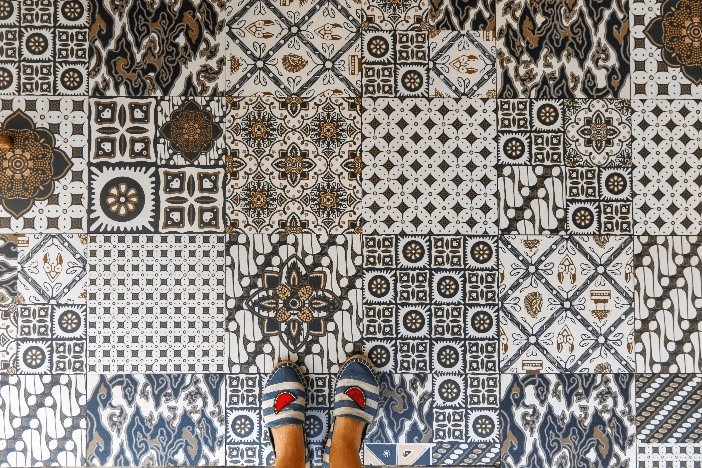
Granite Tile
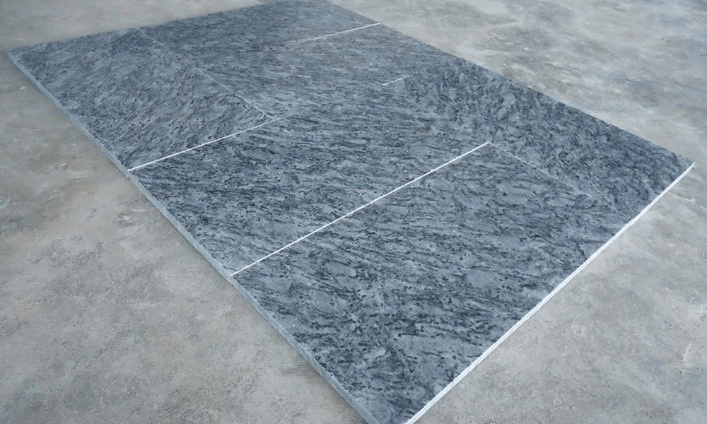
Granite is a natural stone that looks and feels similar to marble. It has natural flecks and some granite tiles contain a marbling effect. Granite tiles are often cheaper than marble and, as such, are viewed as less of a return on investment compared to marble tile. However, granite is a cost-effective alternative to marble for use in secondary spaces where high performance but low cost are the most important qualities.
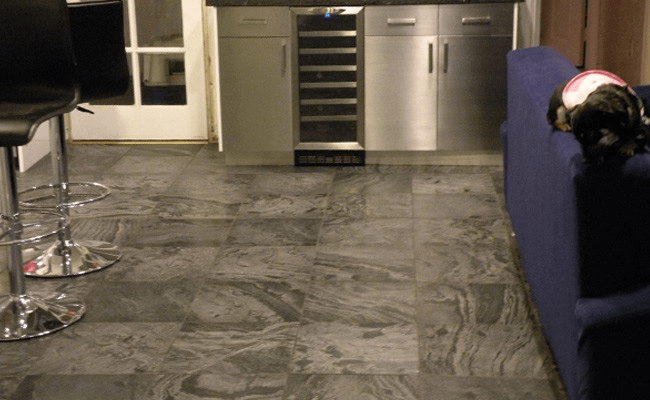
The pros of Granite Tile include scratch and fade resistance, heat resistance, durability, a variety of colors to fit any design aesthetic, hypoallergenic, and low maintenance. The cons of Granite Tile include high cost in comparison to other types of tile, not DIY installation friendly, slippery when wet, retains cold, heavy weight on tiles, and it requires sealing to maintain looks and moisture resistance. The cost of installed Granite tile can range from $13 to $30 per square foot depending on the tile chosen and the installation costs.
Marble Tile
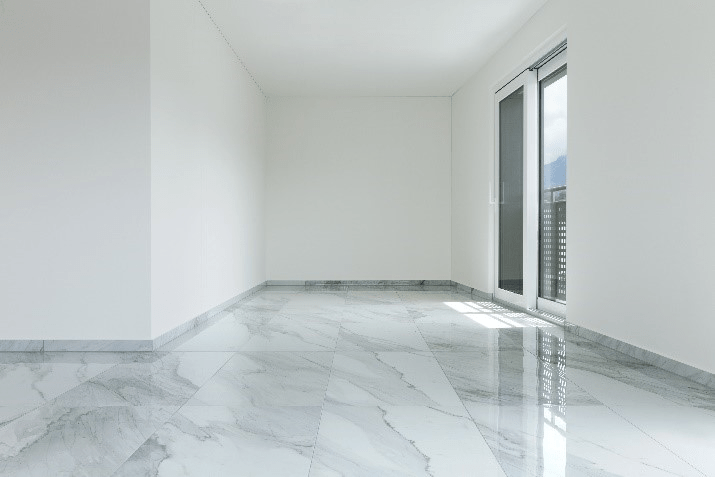
Marble tile is considered an elegant and refined flooring material. It adds beauty, texture and depth to any space is it used. As marble tile is a natural stone, there will never be two pieces that look the same. This adds a unique look to any room. Marble tile is very expensive, but it is very prone to scratching and staining. As such, it is common for homeowners to use marble in smaller applications like showers, backsplashes, and columns.
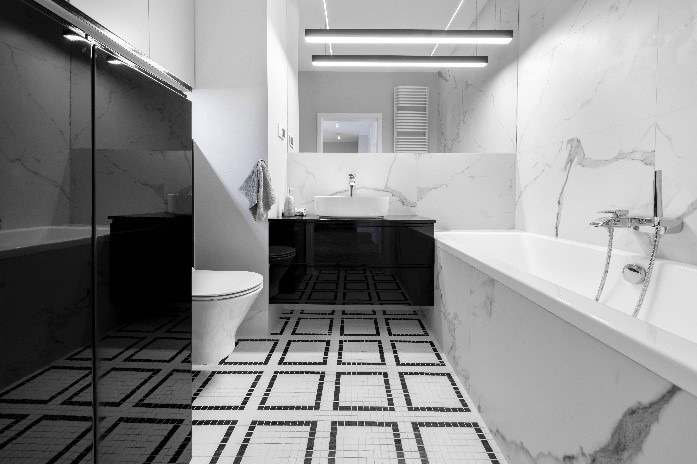
Some pros of marble tile include increased return on investment, elegant and beautiful feel in any room, routine maintenance is easy, ability to refinish the floor if major problems occur, and it has radiant heat that works well for heated floors. The cons of marble floor tile include difficult installation, very high cost, and easy scratching, staining, and chipping.
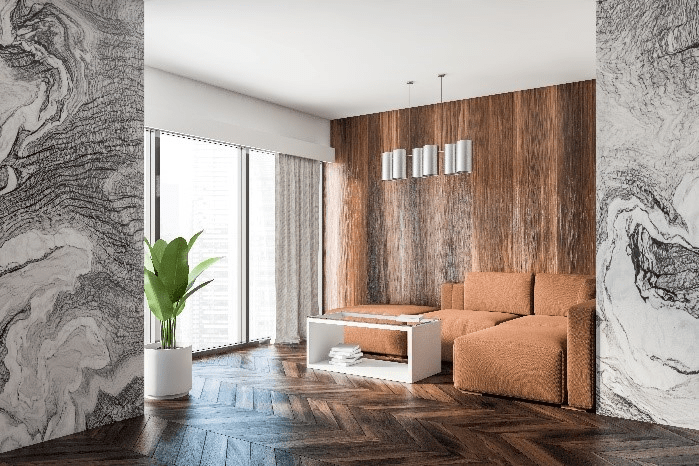
Mosaic Tile
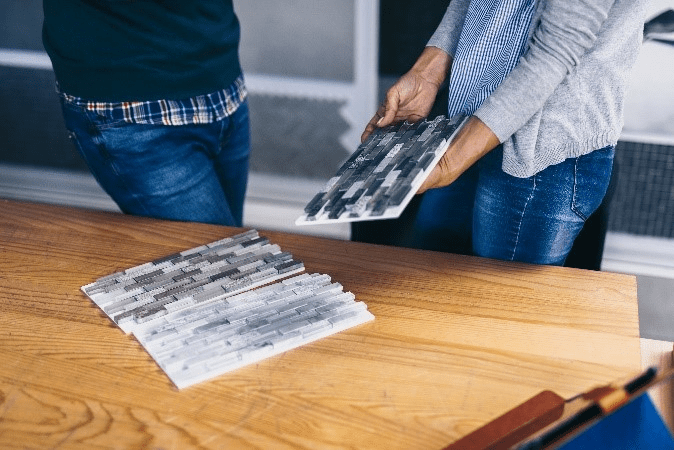
Mosaic tiles are a combination of tiles in different sizes, shapes, colors and materials that are set into a sheet. Due to the great variety of mosaic tiles, they give you the ability to show your design aesthetic in a different way. While it is not recommended to use mosaic tiles over large areas, mosaic tiles work well in wall applications where an accent will display the design style in the home. Homeowners will most likely use mosaic tiles in bathroom accents, backsplashes, and art nooks.
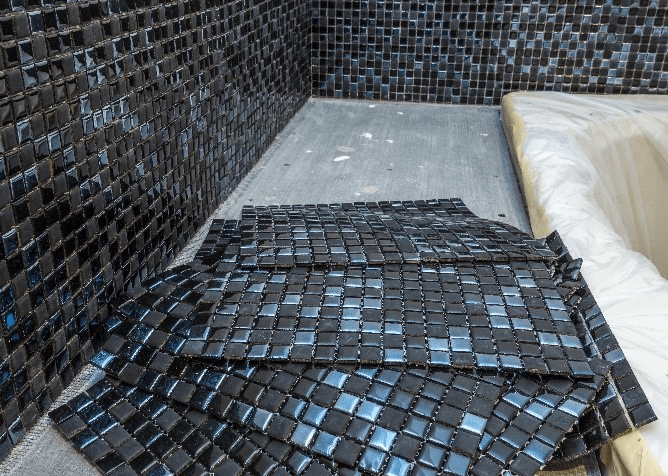
The pros of mosaic tile include the ability to display your design aesthetic, the variety of materials used in creating them, the high-end look that mosaic accent tile creates, and (depending on the mosaic tile chosen) durability and ease of cleaning. The cons of mosaic tile include the busy look, the ability for a design to look outdated over time, mass produced so they are not original, and the high cost of mosaic tile. The average cost of installed mosaic tile can range from $10 on the lower end to up to $55 for high end designs.
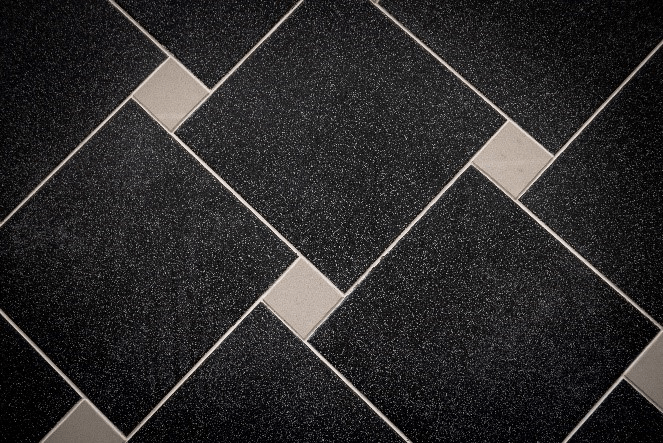
Slate Tile
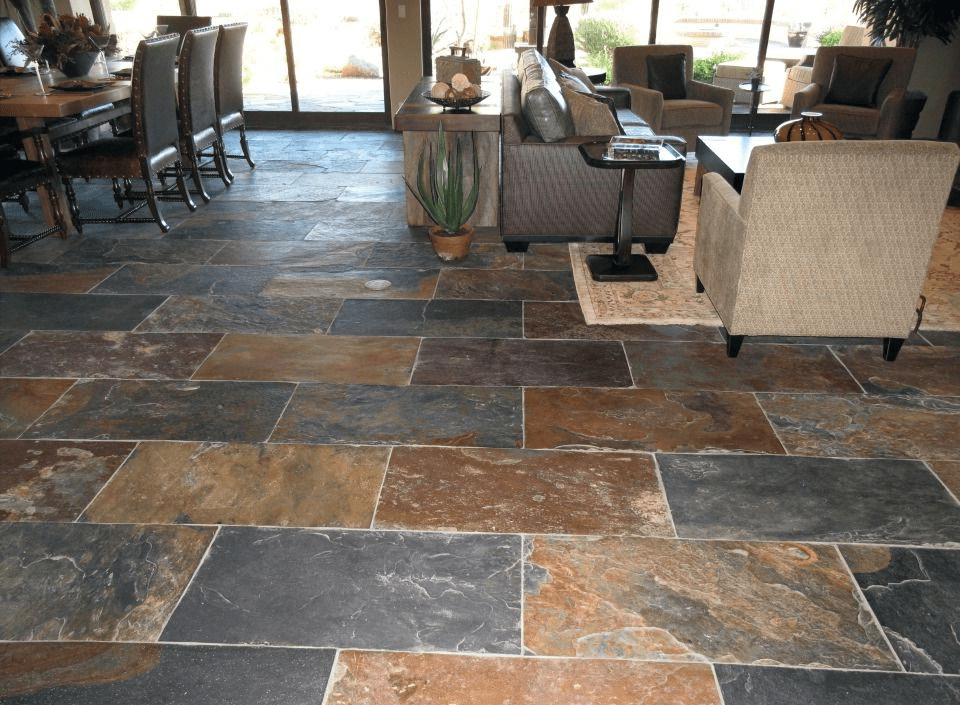
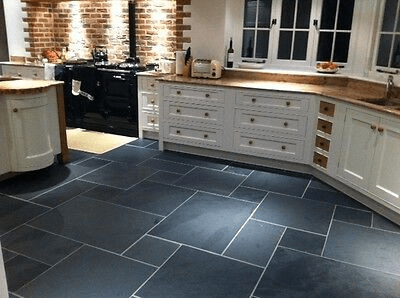
is a natural stone that brings a unique beauty to floors. Slate floors are a durable, beautiful floor that have a high return on investment. Granite being the more popular stone floor option gives homes with slate tile a unique look that many buyers will appreciate. Slate tile is a porous stone and, as such, is easily stained. Staining can be prevented with sealing, but this additional maintenance makes slate flooring a more complicated material to install on floors.
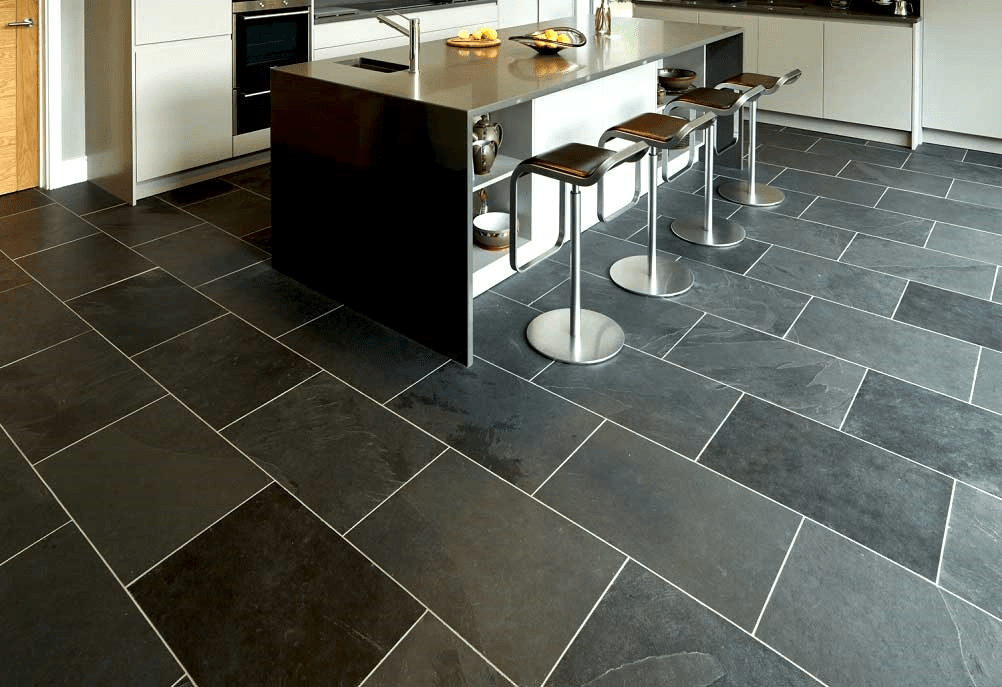
The pros of slate tile include its durability, its ability to work well with underfloor heating systems, its high return on investment, and the fact that it is a unique and attractive material. The cons of slate tile include the high cost, difficulty in replacing or repairing damage tiles, difficult installation, and the need to seal the stone to prevent stains. The cost of installed slate flooring can range from $14 to $25 per square foot. As such, slate tile is usually used in only the most visible rooms in the home for the greatest return on investment.
Glass Tile
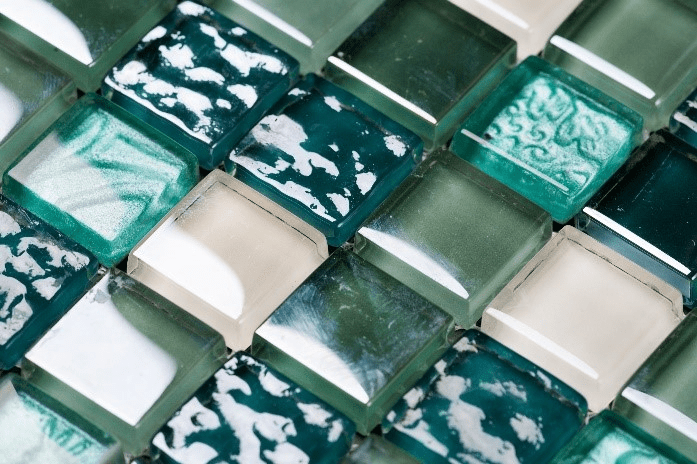
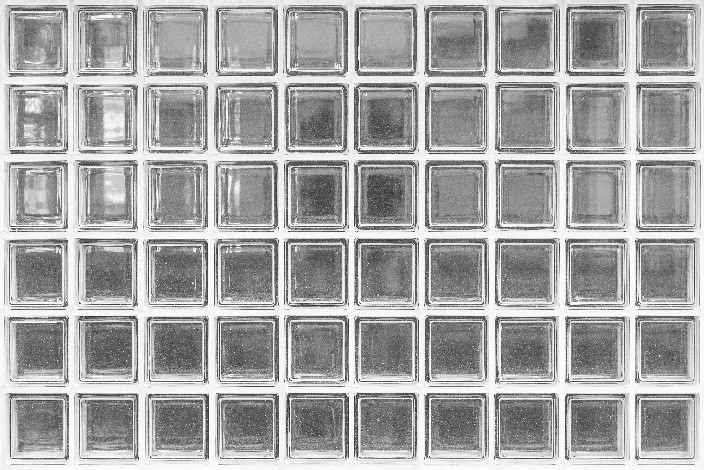
Glass tile is a beautiful and sleek alternative to natural stone and mosaic tile. Red wines and food stains wipe up easily. Glass tile is also completely waterproof. Glass tiles don’t stain, though the grout can stain if it is not properly sealed. It offers a minimalistic design aesthetic that works well with modern and contemporary design styles. Glass tiles, due to their fragile and breakable nature, are often used in smaller wall applications as accents. Glass tiles are suitable for desks, table tops, backsplash, bathroom accents, and around a fireplace.
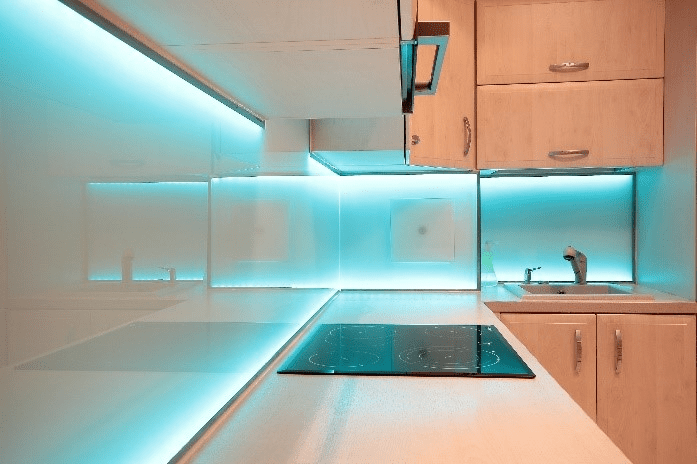
The pros of glass tile include an easy-to-clean surface, a sleek and modern design aesthetic, does not absorb water, and their eco-friendly creation. The cons include a slick surface not suitable for flooring, the inability to install it yourself, the high cost of the material, the proclivity to chip or break, and the fact that grout can stain ruining the look of the tile. The average cost of installed glass tile is between $10 to $30 per square foot.
Metal Tile
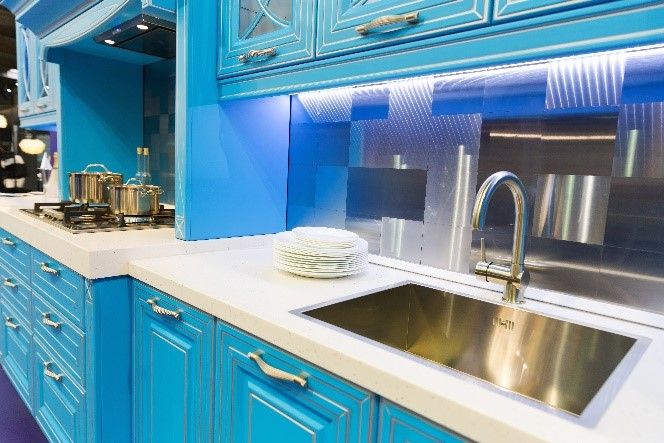
Metal tiles are typically made with tin, stainless steel, aluminum, or copper. There are both recycled and non-recycled versions of these tiles. The recycled versions are considered eco-friendly, which has made them more popular in recent years. Metal tiles, due to their slick surfaces are not typically used for flooring. Metal tiles are used for backsplashes, walls, ceilings, and bathroom accents. Many types of metal tiles have embossed designs that add to the luxurious feel of the tiles. Solid metal tiles work well in modern designs and embossed tiles can be used in everything from contemporary designs to old world designs and even Victorian designs.
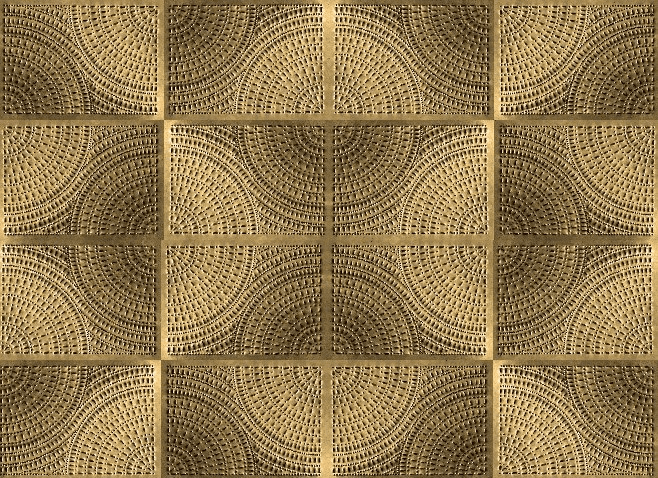
The pros of metal tile include the various designs, the rich look, the ease of cleaning, cost effectiveness, easy to install, and durability. The cons of metal tile include their showing dirt and grime easier than other backsplash tiles, the ability to be damaged by acidic foods and harsh cleaners, and it can have a cold or unfeeling look. The average cost of metal tile can range between $20 to $50 per square foot.
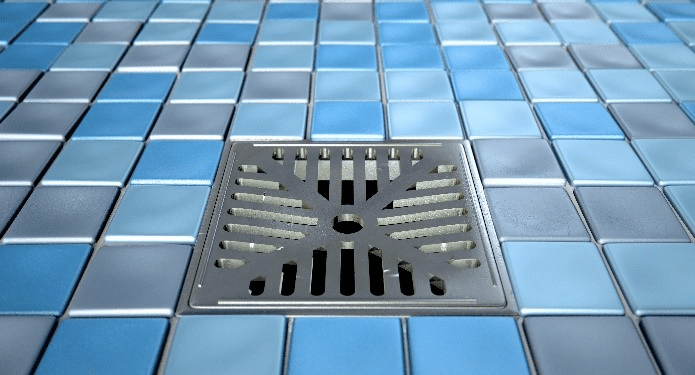
Cement Tile/Concrete Tile

Cement tiles have been used since the 1800’s and have recently regained popularity due to their use in contemporary and modern designs. Cement tiles come in a variety of patterns and colors so they can fit perfectly in your design. Cement tiles are like wood floors in the fact that they can be sanded and resealed if they become discolored. Cement is highly porous and must be sealed (and resealed monthly) to be an effective floor tile. Due to the high maintenance necessary. Cement tiles are also very heavy and, as such, require structural consideration to be sure the home can hold the weight. Cement tile is typically used in small quantities or low traffic areas.
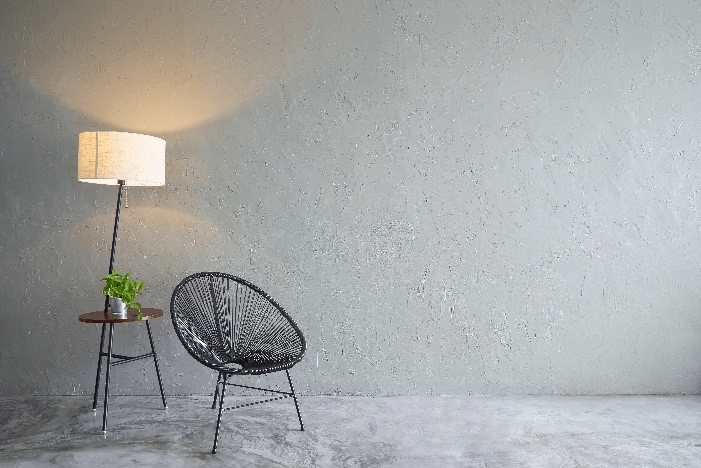
The pros of cement tile include beautiful colors and patterns, versatile uses, ability to be sanded and resealed, and the ability to hold their temperature. The cons of cement tile include the heavy weight, the fact that it will patina over time and change, the porousness of the tile, and the thickness of the tile (being over ½ inch thick). The average cost for installed cement tiles is $7 to $15 per square foot.
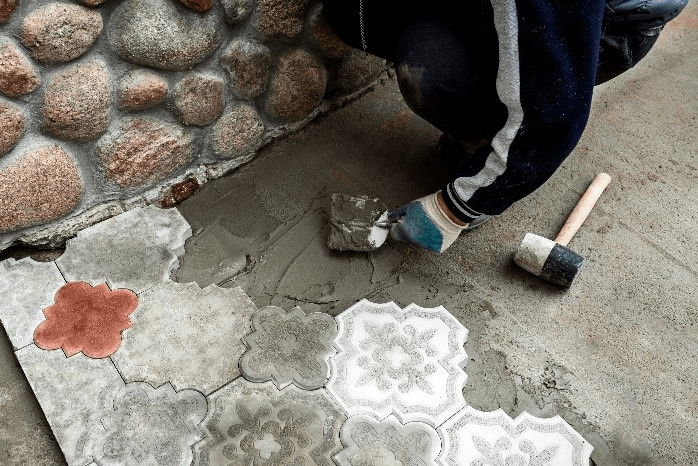
Engineered Tile
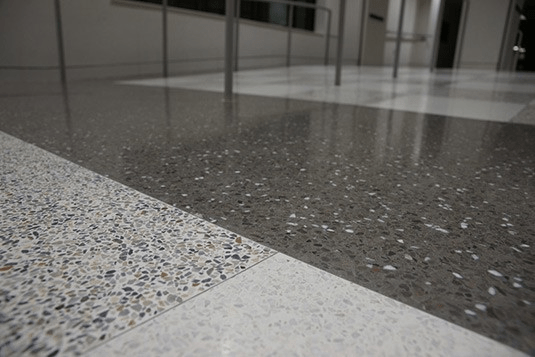
Engineered tile, like engineered stone countertops, are created using bits of stone such as limestone and marble mixed with some type of epoxy or resin. Engineered tile can also be known as aggregate tile or agglomerate tile. Due to the man-made nature of this tile, it does come in a wide range of colors and designs. The catch with engineered tile is the installation. If the tile has a resin base, a resin (epoxy) must be used as the setting material. Engineered tile, because it is made with resin, will also fade and lose shine from exposure to the sun. The best use for engineered tile is therefore counter tops, walls, and backsplashes.
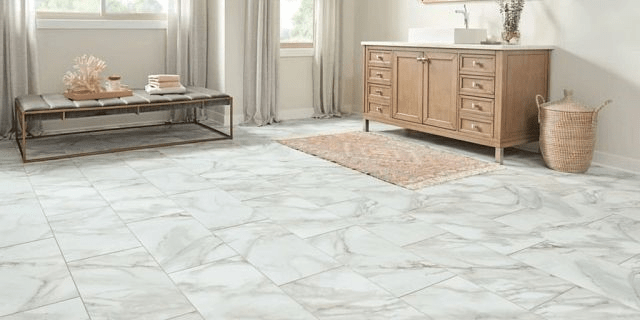
The pros of engineered tile include the predictable and precise measurements of the tiles, the durability of the tile, and the wide range of design options. The cons of engineered tile include the need to reseal to maintain the look, the difficulty to install the tile, and the ability of the tile to chip and dull over time. The cost of installed engineered tile ranges from $15 to $35 per square foot
Walls Section

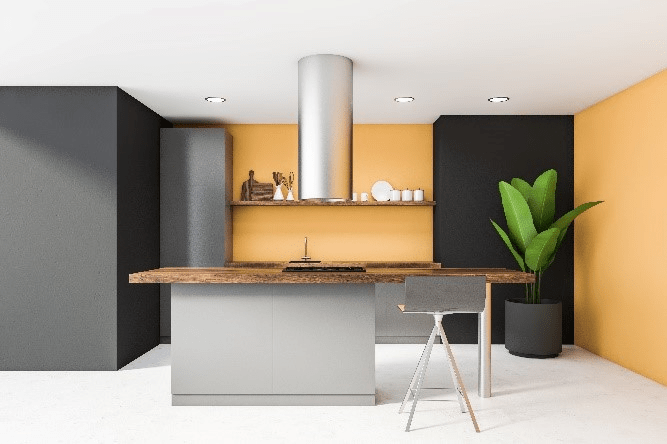
Baseboard
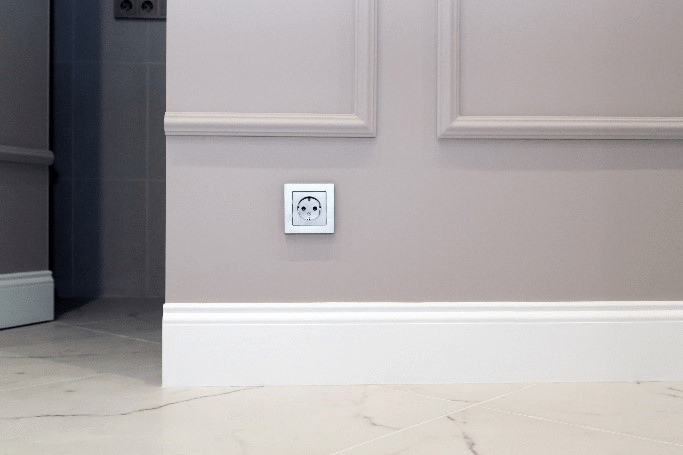
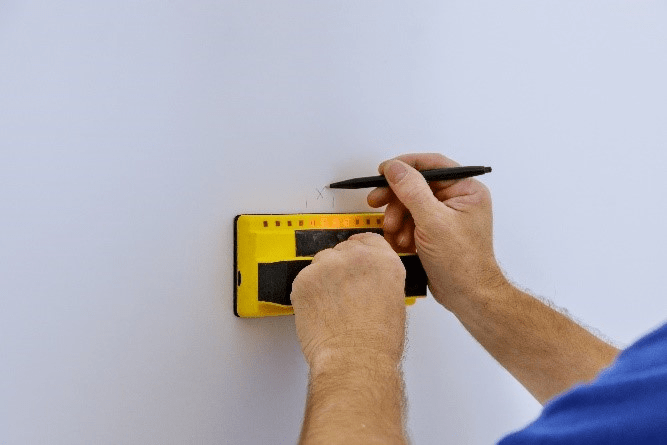
A baseboard is a length of wood or plastic that hides the joint between the floor and the bottom of a wall. While the main function is to hide the joint, baseboards also help prevent damage to walls.
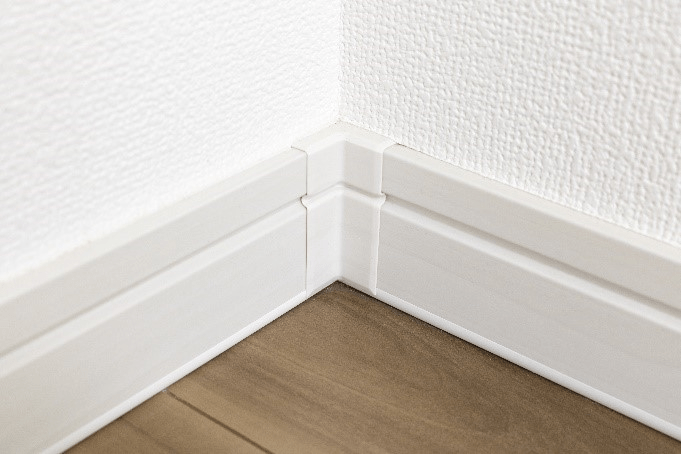
Baseboards are used in both commercial and residential buildings. Residential buildings typically use wooden baseboards that add a finished look and feel to homes. Durable plastic baseboards are typically the choice in commercial applications. Baseboards are installed by gluing or nailing to the wall. This helps preserve paint, wallboards, and sheetrock. Plastic baseboards are available in many colors to work with many styles and wooden baseboards can be painted to match any design aesthetic. Baseboards are very useful in rooms with carpeting. They help cover the carpet strip on the edges and reduce debris in crevices. Baseboards also help keep carpet taut.
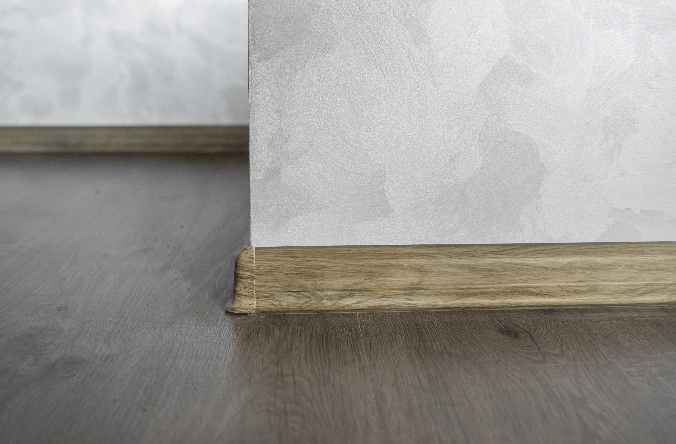
Builder grade Paint

“Builder grade” is a term used to describe the lowest level, lowest quality, bare bones materials that builders often use to save money. Builder grade paint is designed with cost effectiveness in mind. It is the absolute lowest quality paint that is available for purchase. Builder grade paints are always a flat finish and often watered down so they spray on easier. New home builders tend to choose this application type for labor savings. Rollers and brushes take considerably longer to paint with than a spray gun and premium grade paints cost much more per gallon than builder grade paints.
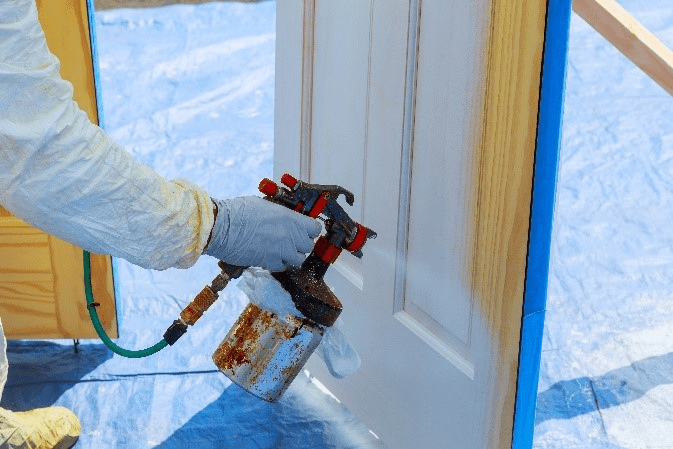
Builder grade paint is known to not cover well. It will often rub off a wall when a homeowner tries to clean marks on the wall. It is known to be less durable. If you have ever purchased a home that has never been painted since it was built or even a new home, you likely know the issues with builder grade paint.

Eggshell Finish Paint
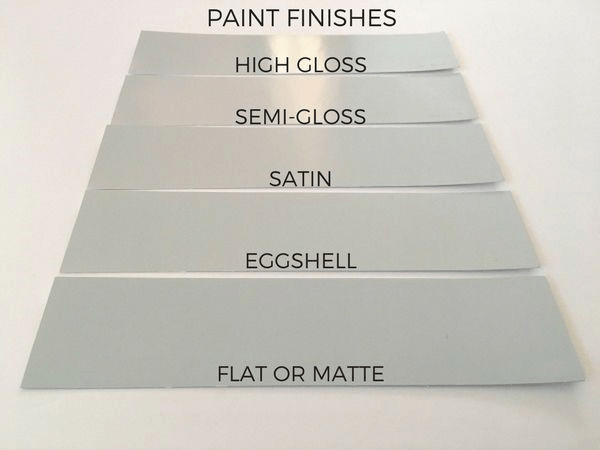
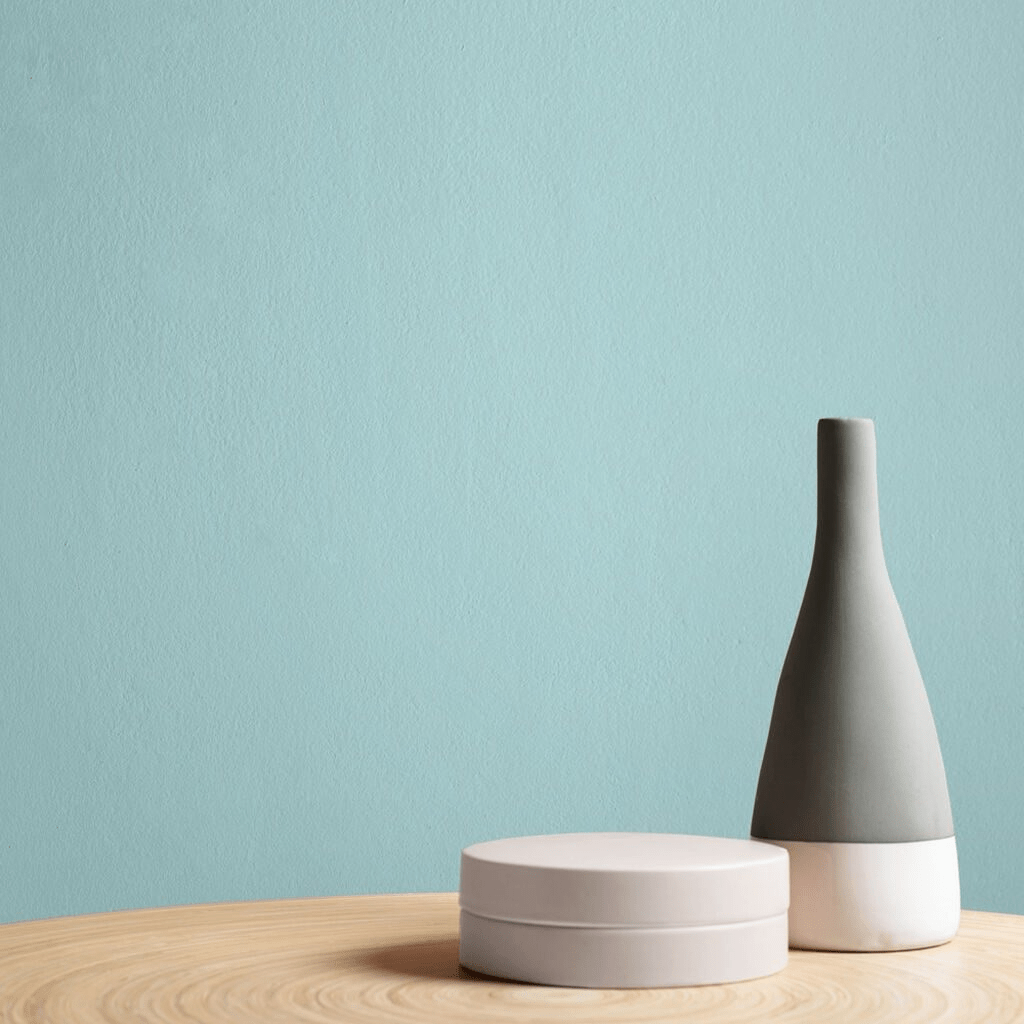
Eggshell is also a commonly used paint finish on the interior of homes. Eggshell finish paint is slightly shinier than flat paint but not as shiny as satin paint. It is called an eggshell finish because it has a subtle, low sheen often associated with the shell of an egg.
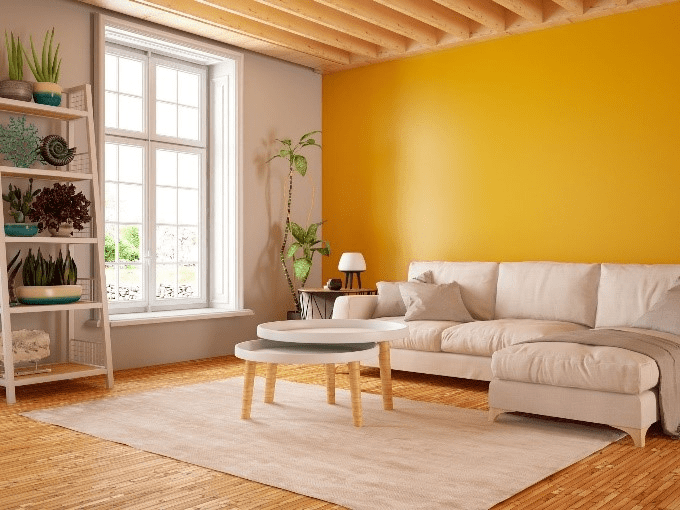
Eggshell finishes give a more elegant and composed look in comparison to flat finishes. Eggshell finishes are easy to apply and do not show imperfections in application as easily as shinier finishes. They are also excellent at covering imperfections in walls. However, eggshell finishes do trade durability for this coverage as satin and high- or semi-gloss finishes are much more durable and easier to clean. As a result, eggshell finish paint should be used in areas like living rooms, entryways, and hallways, which are considered low to medium traffic areas where walls are not commonly touched.
High-gloss Finish paint
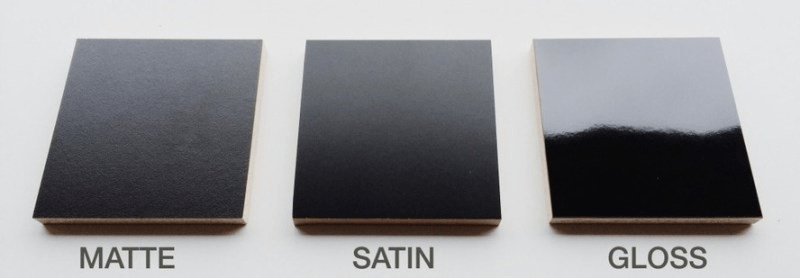
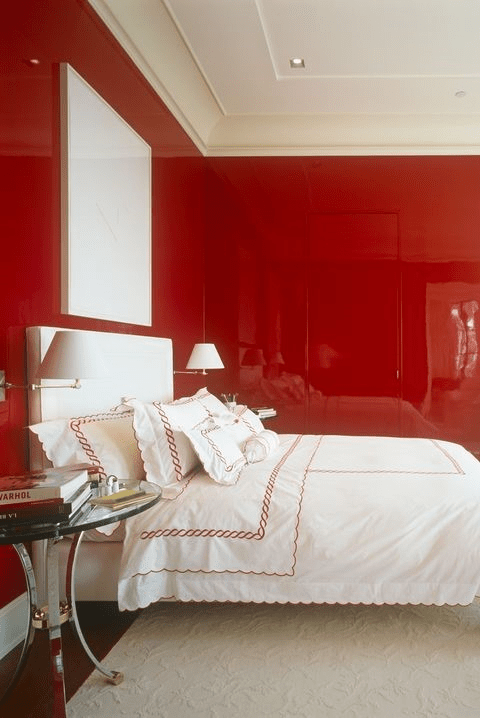
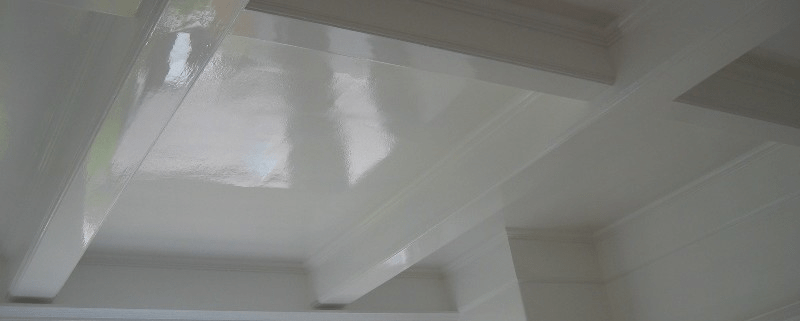
High-gloss finish on a paint gives the shiniest finish of all the paint finish options. It is important to prep the area properly before using a high-gloss finish as this type of paint shows any imperfections from incorrect application.
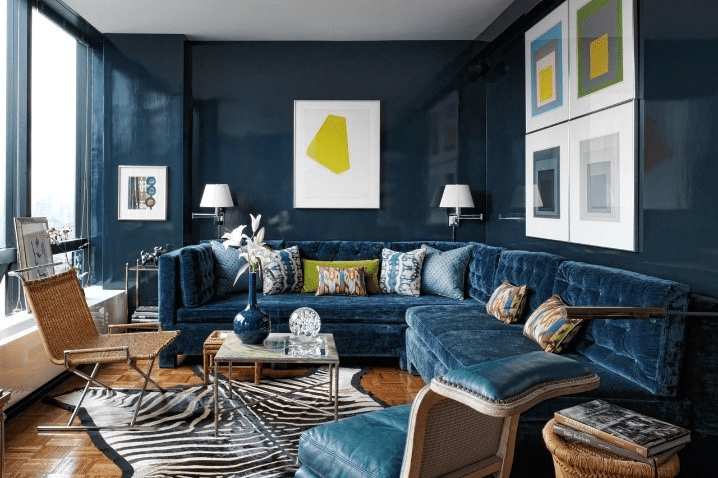
The benefit of high-gloss paint is its ability to be washed and scrubbed daily without damage to the paint. This is useful for areas like doors, baseboards, molding, and cabinets. It is also useful for outdoor details in places like trim and shutters. High-gloss paint can give an elegant finish to details in a room, but it is not typically used for walls as the very high shine can distort the color due to glare and an extreme amount of prep work is required to get a clean finish on walls.
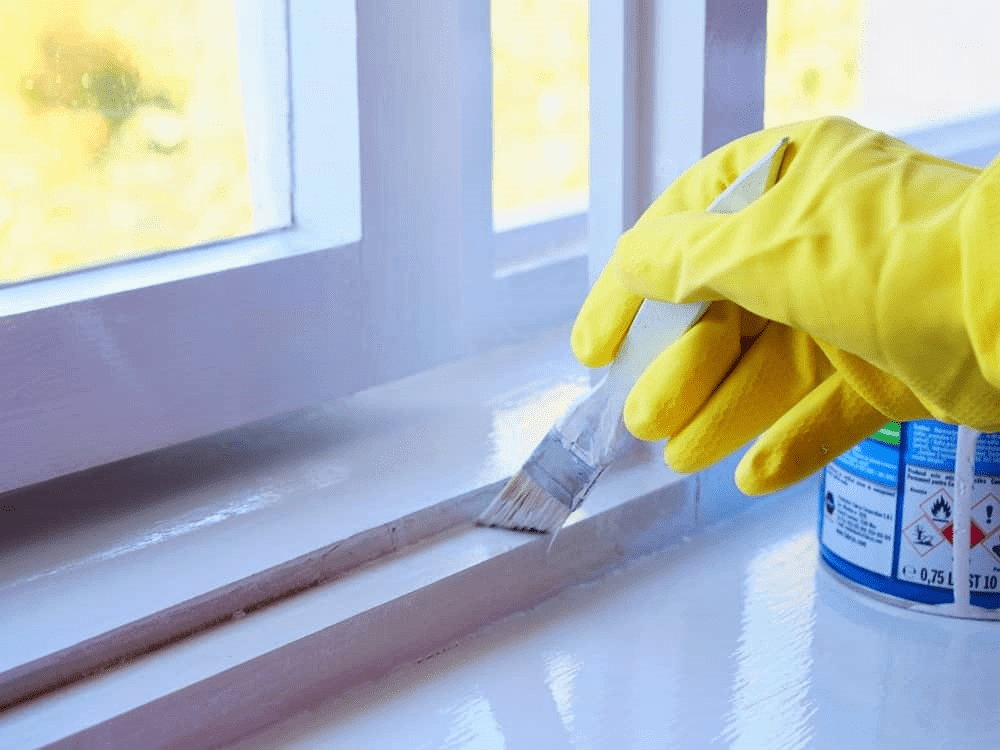
Matte/Flat Finish Paint
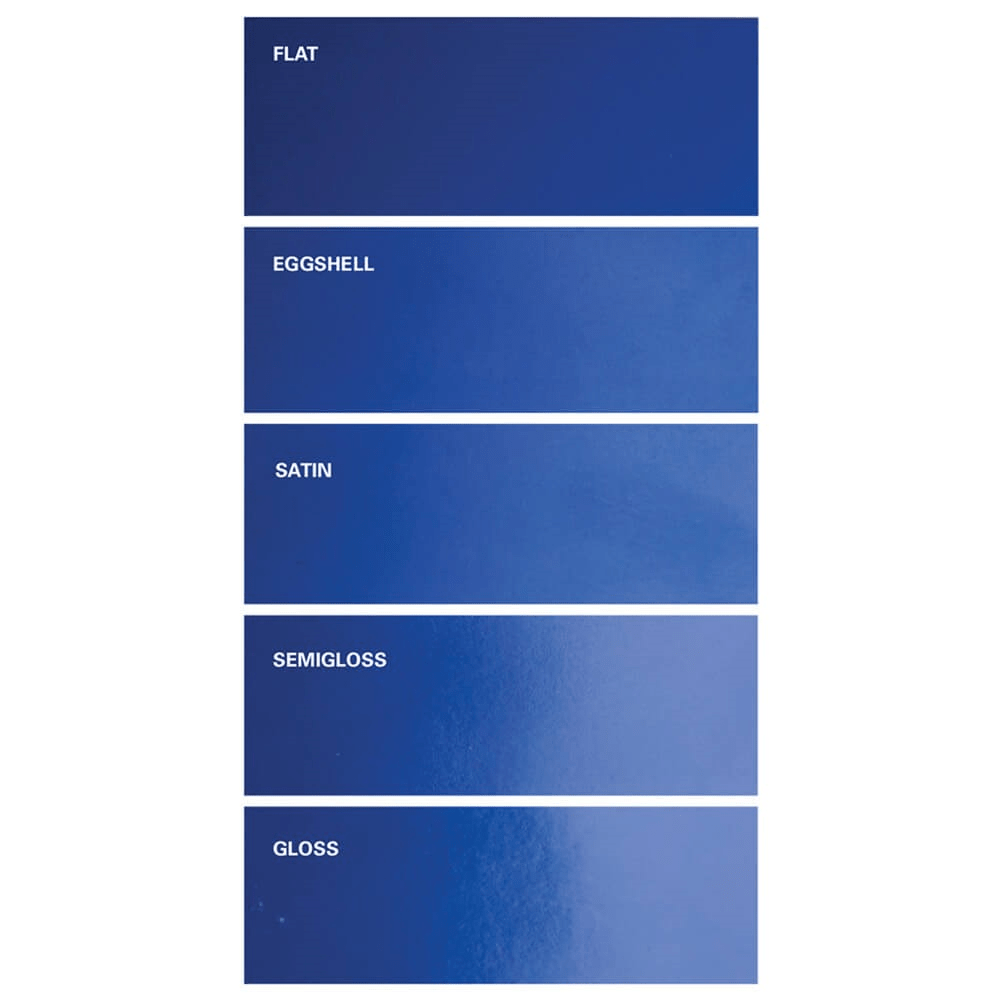

Matte Finish paint (also commonly called Flat paint) are the least shiny of all the paint finishes. Flat paint is regularly used as builder grade paint, but can also be purchased in higher-quality premium paints. Not all flat paint is created equal.
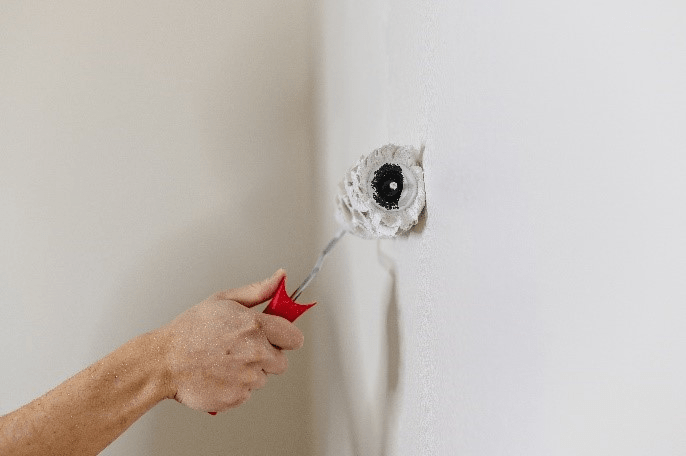
Due to the lack of sheen on flat paint, it will easily cover imperfections not only in application, but also on walls. Nail holes and floating issues are more easily covered with a flat paint than a shinier finish. The problem with flat paint is its very low durability. It is the least durable type of finish for a paint. Flat paint will be damaged by cleaners (and sometimes even simple water depending on the grade). Despite it’s lower durability, many home builders will use flat paint in the whole house because it is easier to cover by painting over and it is cheaper to apply as it can be watered down to put in a spray gun. Flat paints are recommended for low-traffic areas and areas that won’t be touched such as dining rooms and ceilings.

Oil-based paint
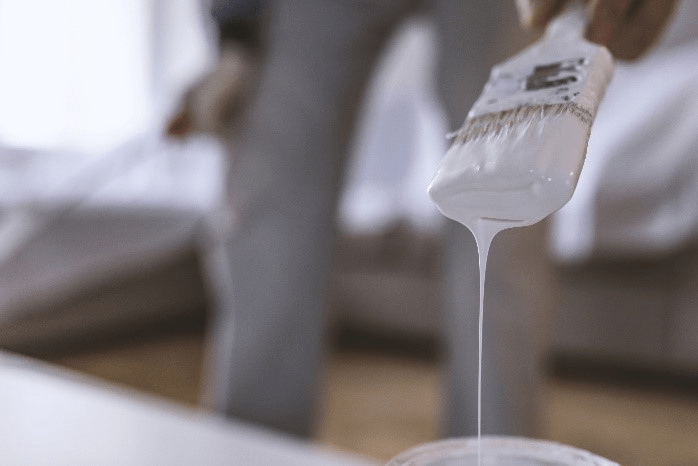
Oil-based paint refers to the type of solvent used in the paint. This is the liquid portion of the paint that evaporates during the drying process. Oil-based paint uses an organic solvent, typically mineral turpentine, in the paint composition. Oil-based paint is extremely durable and, as a result, is often used for moldings and trims.
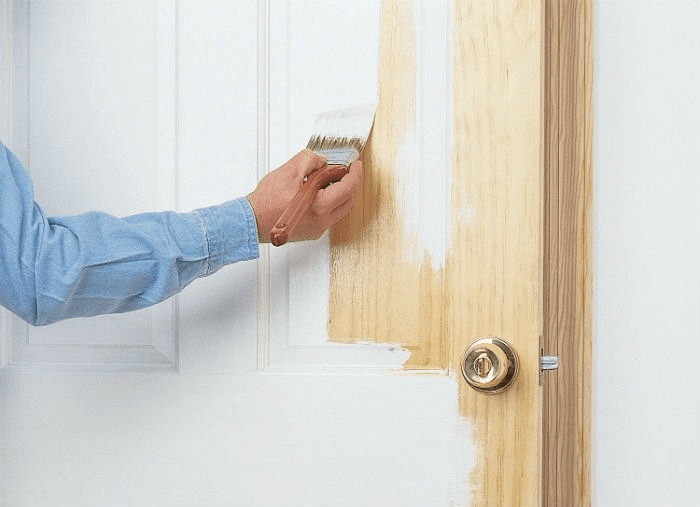
Oil-based paint has a higher concentration of Volatile Organic Compounds (VOC’s) which can cause headaches, skin irritation, and nausea in some people. It is important to have proper ventilation and protection when using oil-based paints. Oil-based paints can also yellow and lose sheen over time. Oil based paints are typically thicker and take longer to dry initially but less time to fully cure. Cleanup while painting with oil-based paints require turpentine or paint thinner. If you accidentally use water to clean an oil-based paint, it will get sticky and ruin the brush or equipment.
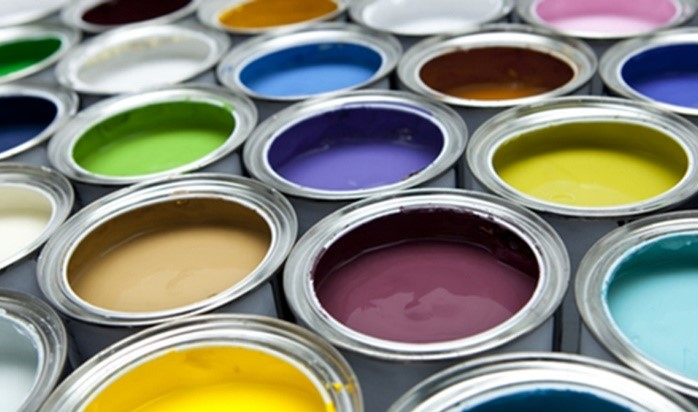
Premium Grade Paint

Premium grade paint is the higher end paint most homeowners use to replace builder grade paint. It can come in any finish from flat to high gloss but is most often used in eggshell or satin finishes. Premium grade paint is recommended by most renovators and designers for its durability and ease of cleaning.
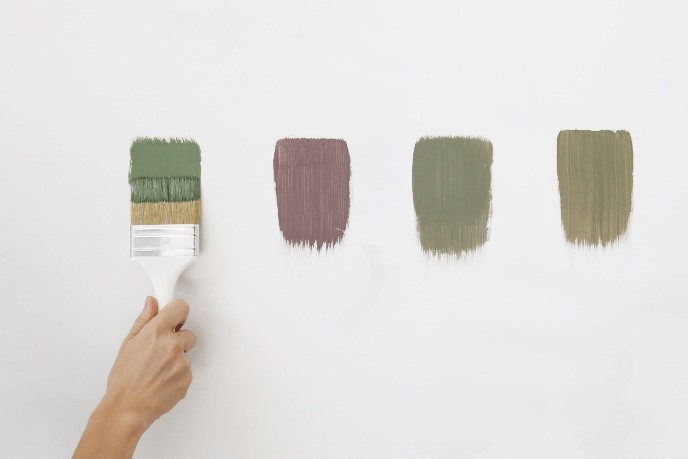
Premium grade paints must be applied with a brush or roller. It is often too thick to spray on using a spray gun. It is not always more cost effective to use a builder grade over a premium grade. The thinness of builder grade paint often requires multiple coats to cover an area. Premium paints, while more expensive per gallon initially, can sometimes save money on labor by only requiring one coat to effectively cover an area. They also help reduce the need to repaint in the future by being able to be cleaned easily and not rubbing off the wall when cleaning.

Satin Finish Paint
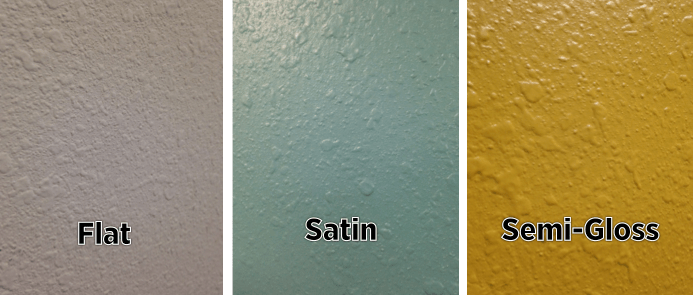
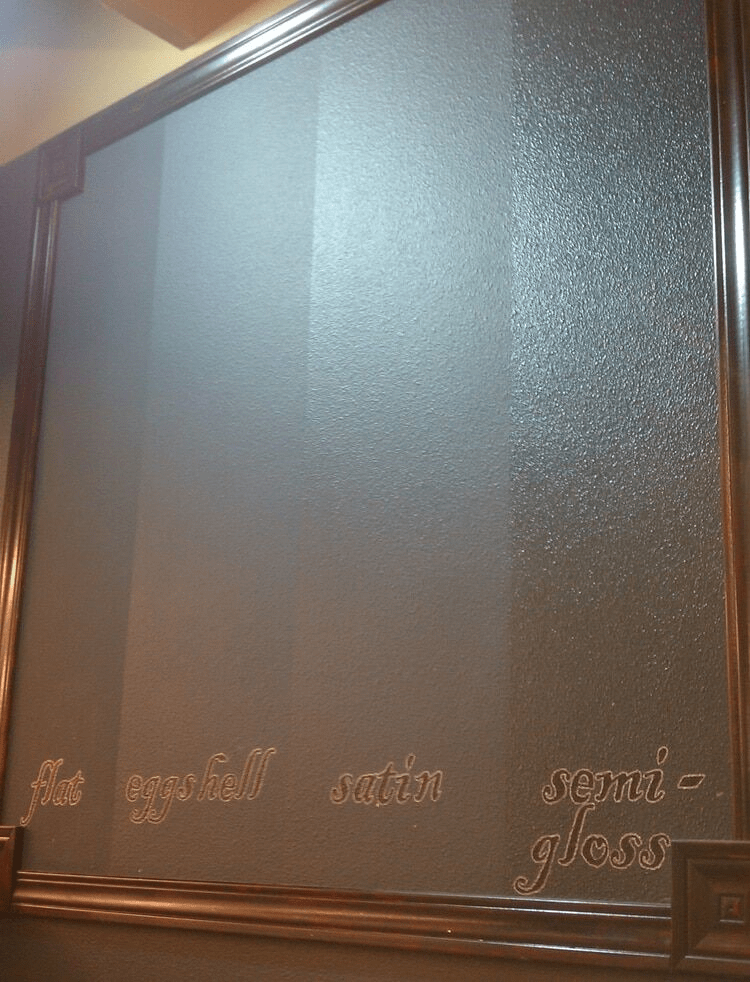
Satin finish paint is the most commonly used paint finish for the interior of homes. It has a velvety sheen that is easier to clean than eggshell or flat paint. They are shinier than flat and eggshell paints but less shiny than semi- or high- gloss paints.
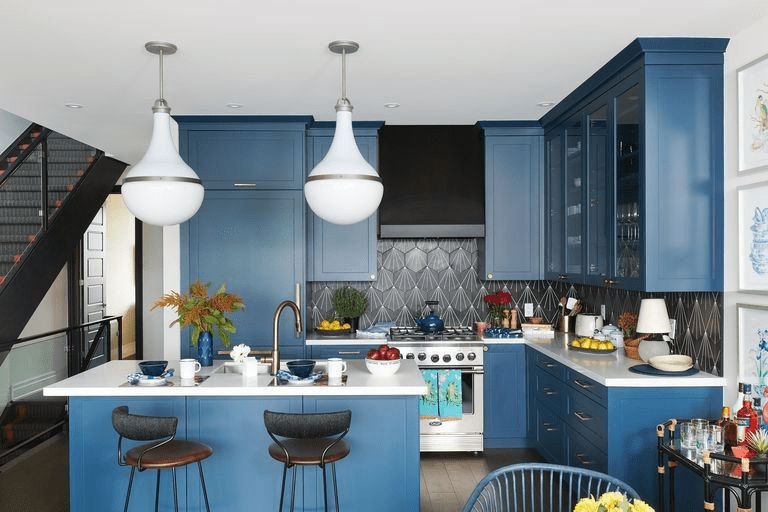
Satin finish paint is also known to be fairly easy to clean and can therefore be used in high traffic rooms. Because of the sheen on satin paint, it will, like high- and semi-gloss paint, reveal imperfections from incorrect application. It will also make future touch-ups more obvious due to visible brush strokes. This can sometimes be avoided by using a roller for touchups.
Semi-gloss Finish Paint
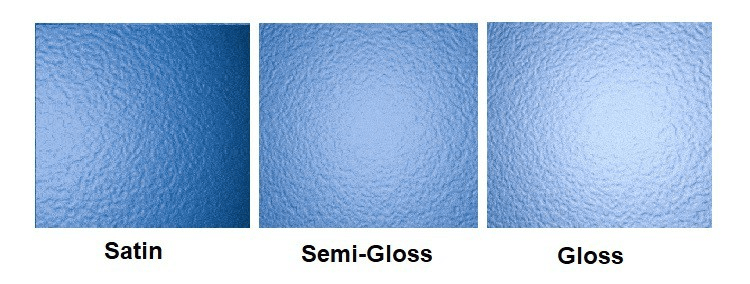
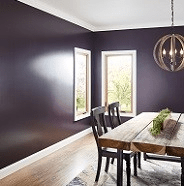
Semi-gloss finish on a paint gives a shiny, reflective surface. Like high-gloss finishes, semi-gloss finishes will show imperfections from incorrect application, so prep work is important with this type of finish.
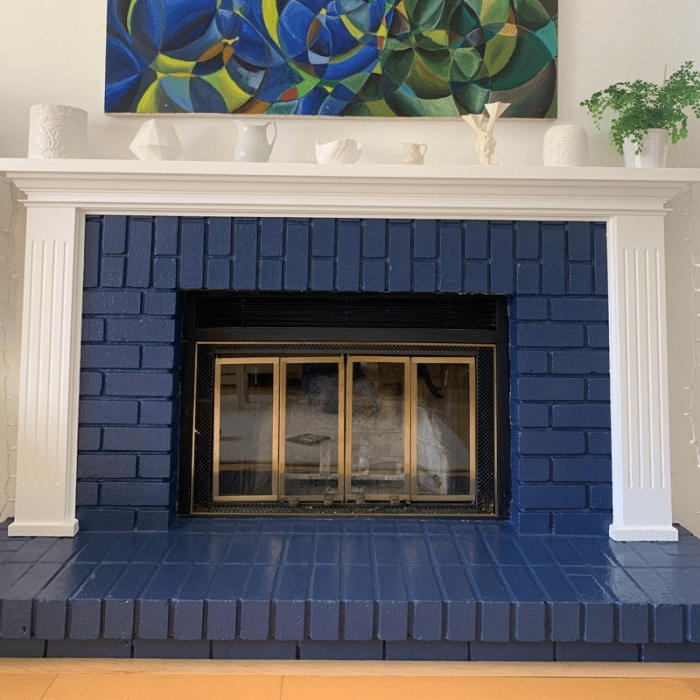
The benefit of semi-gloss paint is its mildew resistance and durability. It is also extremely easy to clean. Semi-gloss paints are typically used on walls in rooms that have moisture or receive lots of wear and tear. Good rooms to use a semi-gloss paint would be bathrooms, kitchens, and kids’ bedrooms. Semi-gloss paint can also be used for trim to provide a less shiny finish than high-gloss paint but still give some shine to trim.
Wainscoting/Beadboard paneling
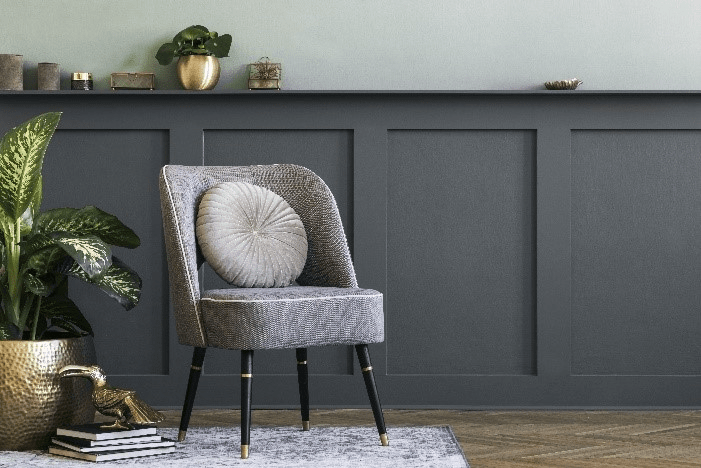
Wainscoting is also known as beadboard paneling. It is a wood paneling that is typically positioned on the lower half of the wall. Manufactured wainscoting is designed with a tongue and groove connection for easy installation. It is a decorative accent often used in cottage/country styles.
Wainscoting/beadboard paneling can add a homey, warm feel to rooms. The wainscoting can be painted, stained, or remain their natural color depending on you design needs. It can be used for rustic designs, but also can add elegance to a room. While beadboard paneling is often used on the lower half of the wall, it can be extended to the ceiling. Beadboard paneling can also be used on furniture to create a cohesive look throughout. Wainscoting is created using many different types of wood including walnut, oak, and pine.
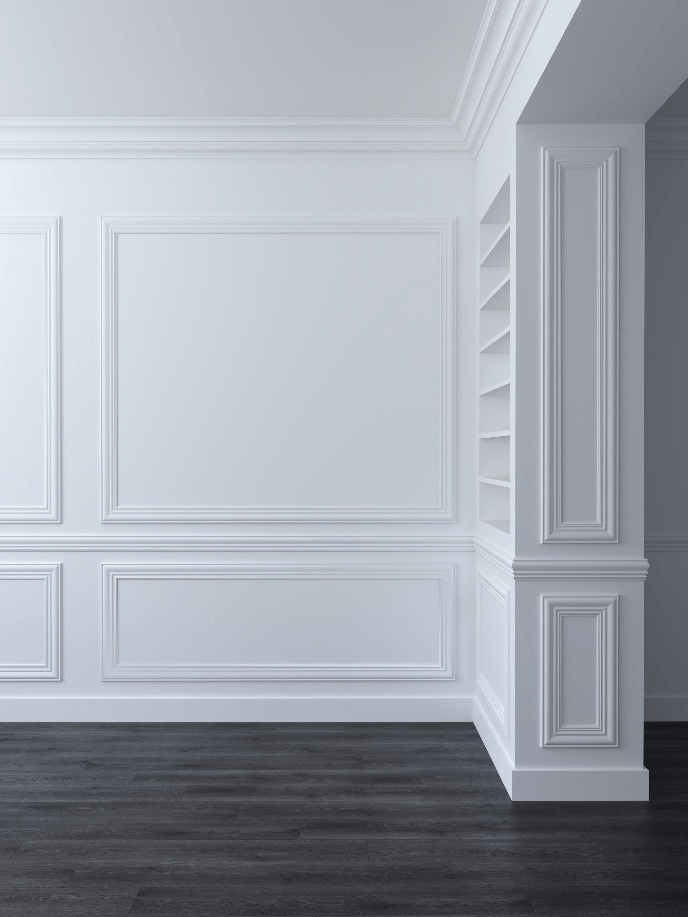
Wall Skin
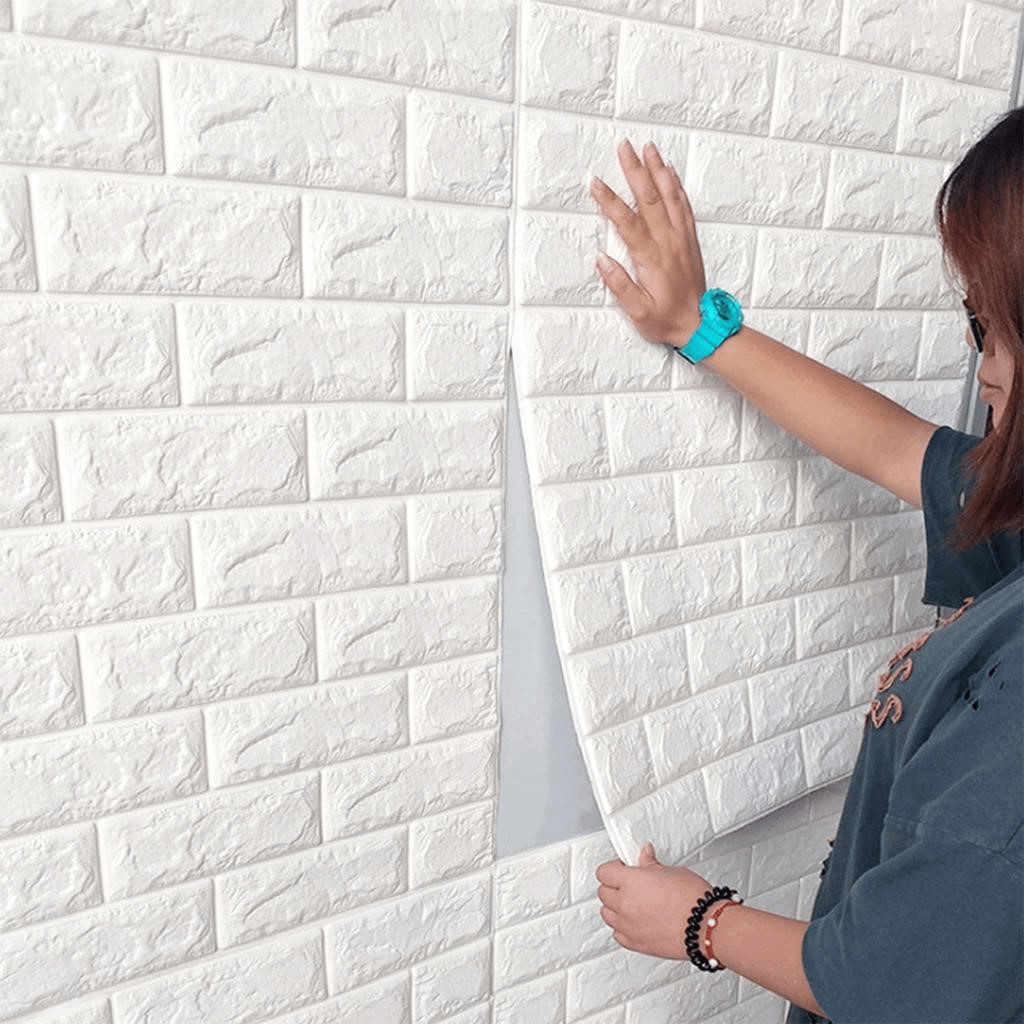
Wall skin is a wall treatment made from thin materials installed over a wall to add a different design aesthetic. It is a useful way of adding detail to a space. Wall skins can be comprised of wood veneer, metal, or other materials.
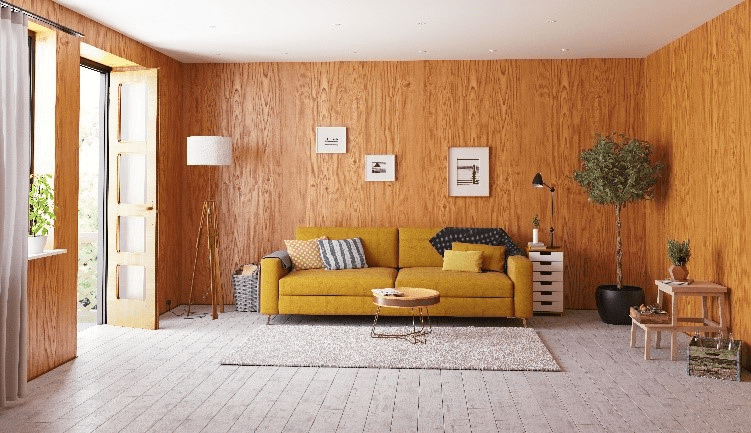
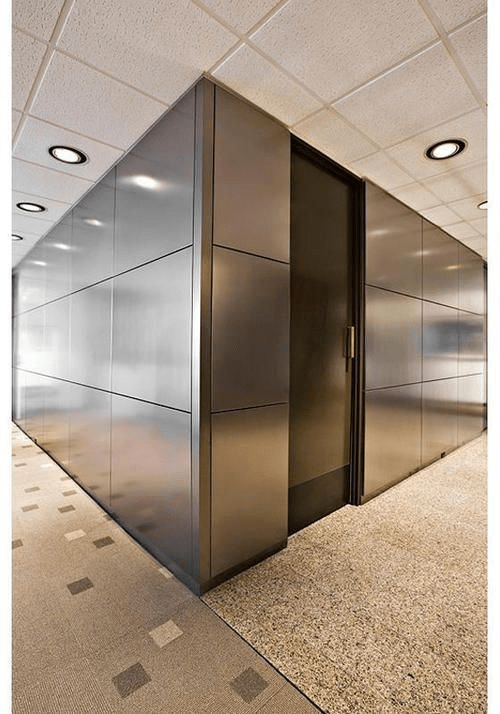
Wood veneer wall skins can be used to create a wainscoting effect or shiplap effect. Metal or industrial materials can be used to create a modern style. Kitchen backsplashes can be matched with wall skins, so they extend to cover the whole kitchen wall. Dry wall or rock board is used under kitchen wall skins, so they meet with fire safety regulations. Some wall skins even have a natural rock look. Wall skin is also a term used to describe vinyl stickers used for wall decoration.
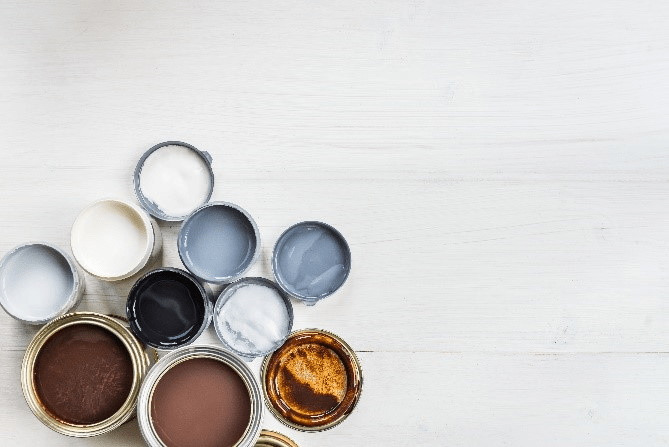
Water-based paint

Water-based paint refer to paint that uses water as the solvent in the paint composition. The solvent is the liquid portion of the paint that evaporates during drying. Water-based paint is more flexible due to the fact that it dries softer. It does not chip or become chalky like oil-based paints, as a result, water-based paint is often used for both interior and exterior applications.
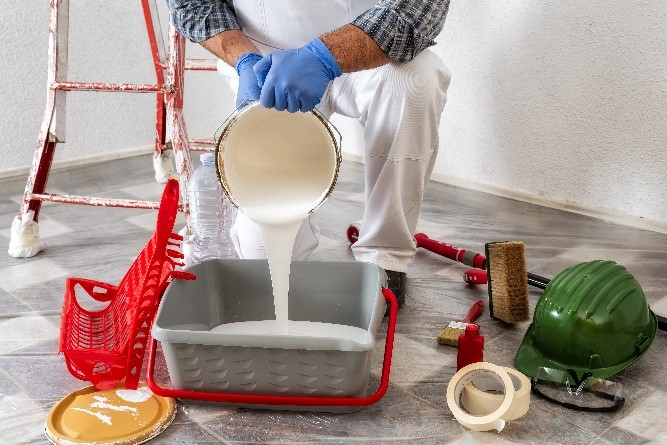
Water-based paint has a much lower Volatile Organic Compound (VOC) concentration and is considered healthier by many painters. Water-based paints also tend to maintain their original sheen and color better than oil-based paints. Water based paints take a shorter time to dry to the touch (30-60 min for water-based vs 6-8 hours for oil-based) and require a shorter time between coats (2-3 hours for water-based vs. 16 to 20 hours for oil-based). However, water-based paints require a considerably longer time to fully cure (1-4 weeks for water based vs. 2-3 days for oil-based). Cleaning up while using water-based paint is simple and requires just water.
Popular Kitchen Design Styles:
Country Farmhouse and French Country/English Country
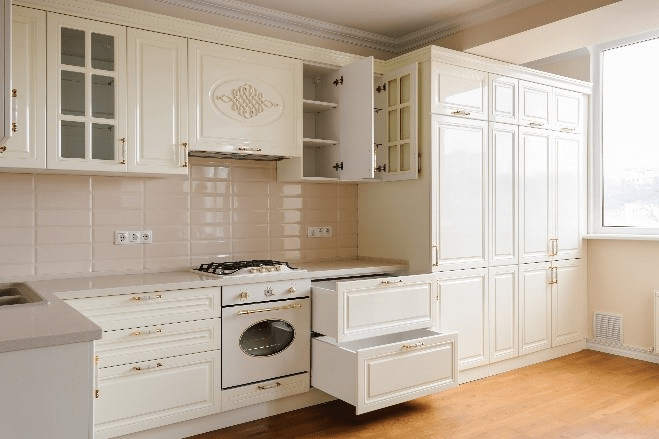
Country Farmhouse style kitchens and French Country/English Country style have a romantic, timeworn, elegant feel. A Country Farmhouse style gives a lived-in but still comfortable feel in any kitchen. Rough textures on walls add that rustic feel. These styles typically incorporate lots of molding and corbels. A country style kitchen gives you the feeling of being out in the wide-open country even if your home is in the middle of the suburbs! Tie this kitchen into your dining area with a farmhouse table made from solid wood and stained with warm colors.
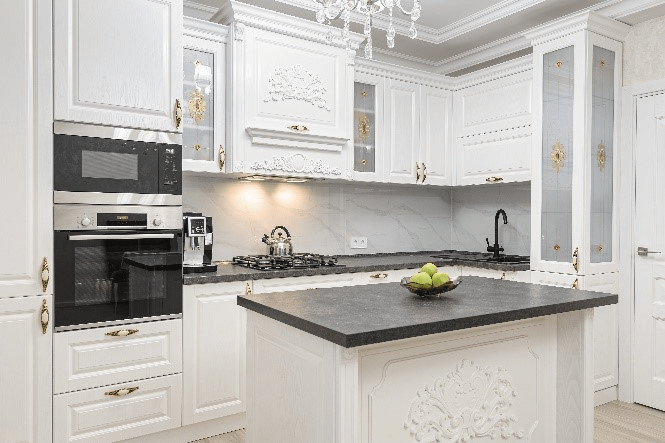
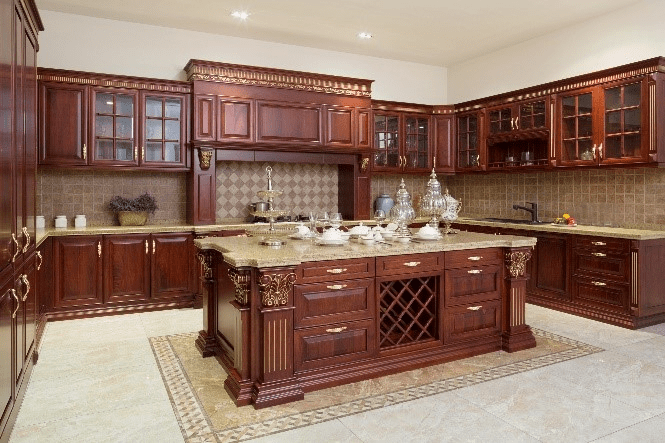
Modern kitchen designs
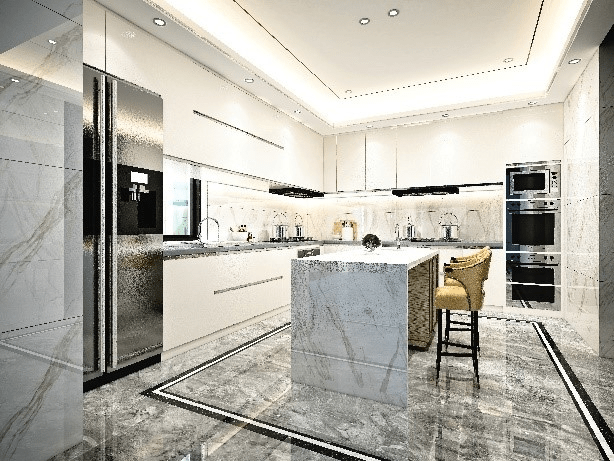
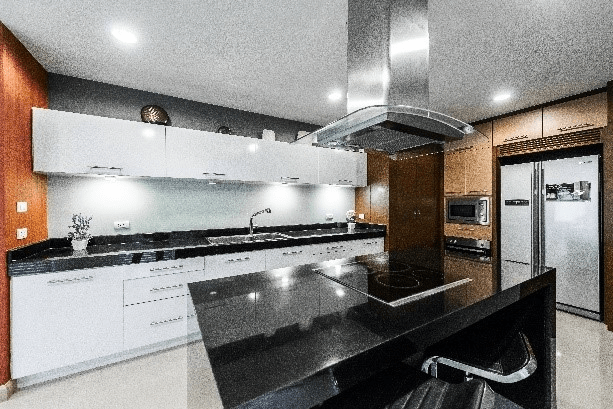
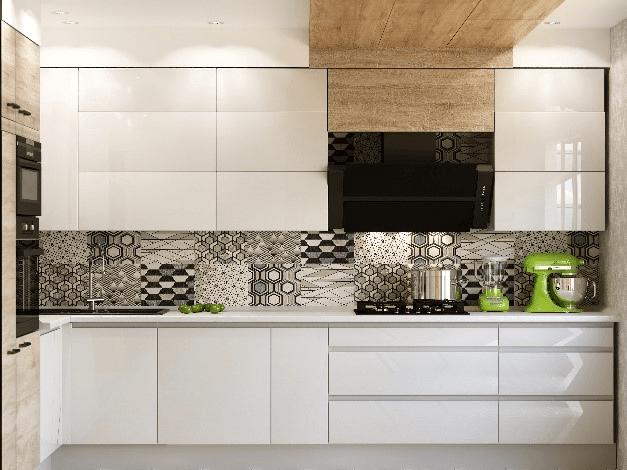
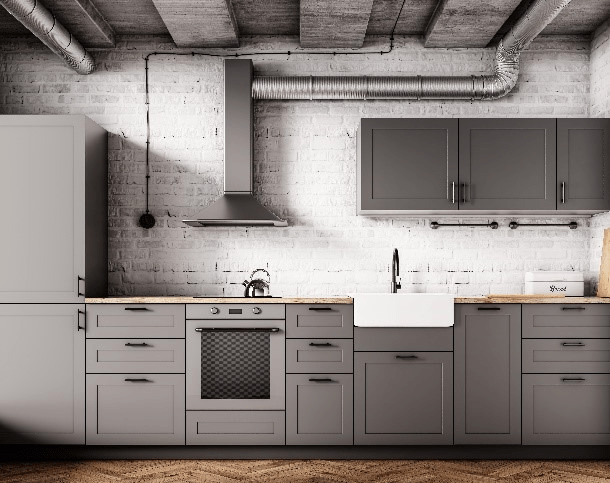
Modern kitchen designs are meant to be sleek and sophisticated. They are very minimalistic, almost sterile, in design. A modern kitchen design will give you an open layout and clean lines. High-end cabinets create a flat-front, seamless look that complements the rest of the kitchen design. Typically designed with high-tech materials and reflective metals (stainless steel and copper are both very popular in this style), the modern look is sleek and sexy. Take your kitchen from boring and blasé to the glossy, minimalist look of the future with a modern kitchen design.
Cottage Style Kitchens
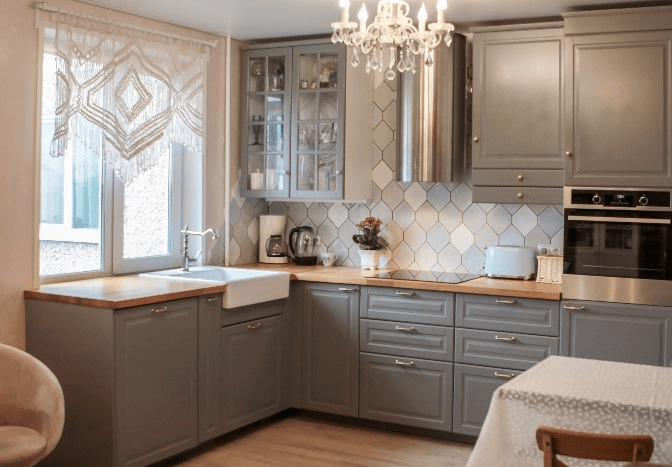
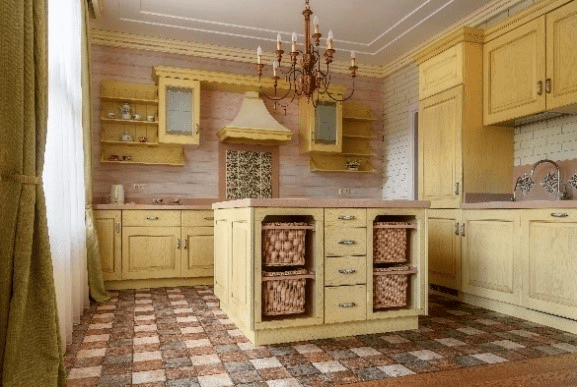
No matter where you live, a cozy kitchen is always inviting and enjoyable. The Cottage Style kitchen is full of homemade touches and varying finishes. Cottage Style kitchens are always one-of-a-kind as they typically incorporate the personalized collectibles of the owner. They are highly functional with glass doors on cabinets and lots of storage to keep anything you need nearby. Adding high-quality appliances in colors (or even white) can help blend this eclectic style with serious cooking skills. So go buy that tin rooster wall decoration from the flea market and have fun!
Transitional and Contemporary Kitchens
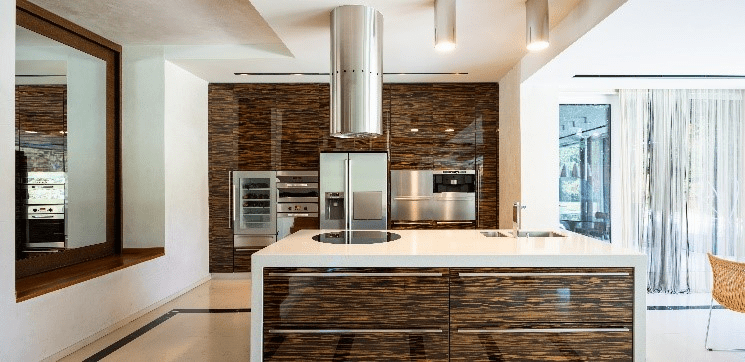
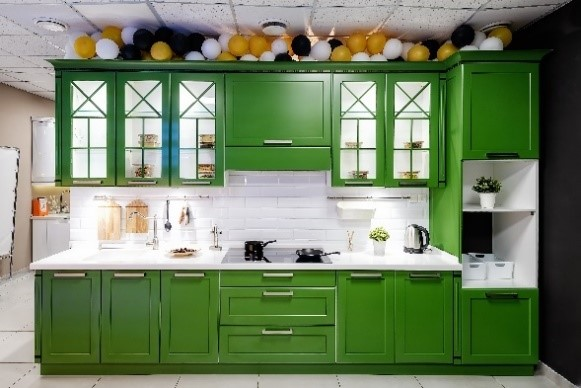
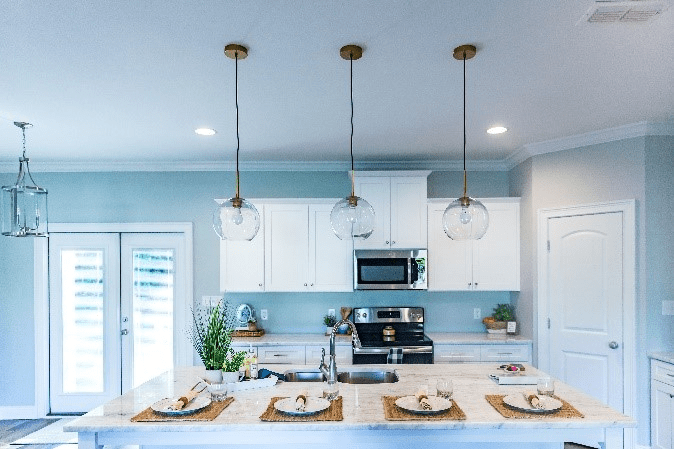
Contemporary kitchen designs feature large open spaces that allow today’s families to interact with guests while cooking a delicious meal. Function and space are extremely important in contemporary kitchens. A transitional kitchen design incorporates this relaxed, bright feel with lots of storage and an airy, casual elegance. The reason this kitchen is so popular is the fact that this style allows the new kitchen to fit with the design aesthetic of the rest of the home (whether contemporary or traditional) while still providing a more updated feel. It is especially useful for blending adjacent rooms in open layout floor plans. Gourmet appliances and durable seating around the kitchen island allow for the easy gathering of family and friends, perfect for everyday life and special entertaining.
Coastal Inspired Kitchens

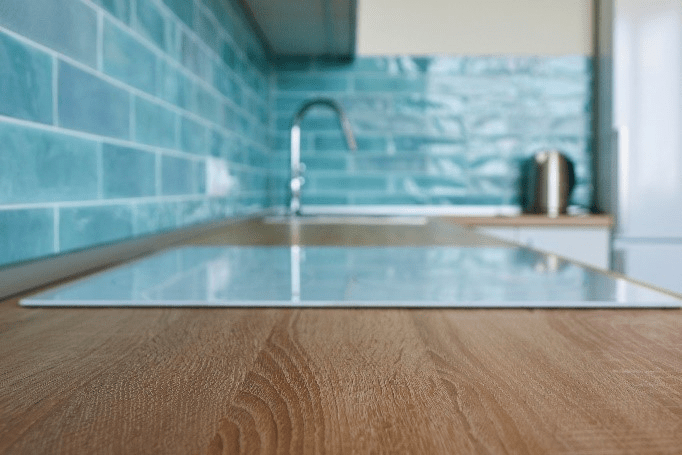
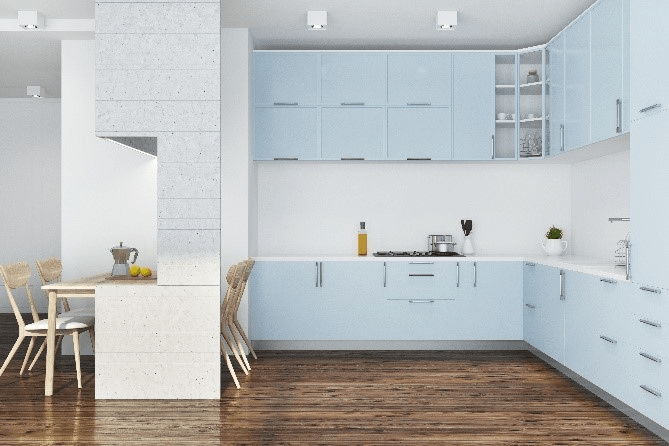
Nothing is more relaxing than the beach. Cool color shades are sure to create a relaxed, beach-like feel. You can easily bring this feeling into your kitchen with Coastal Styles and colors. This style uses easy-to-care for flooring and fabrics with window treatments designed to bring in as much sunlight as possible. You don’t have to live at the beach to feel like you’re on vacation in your home! A Coastal Kitchen will take you to the beach every day!
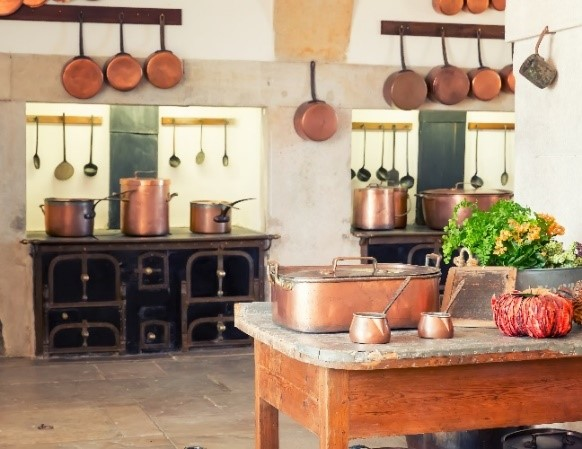
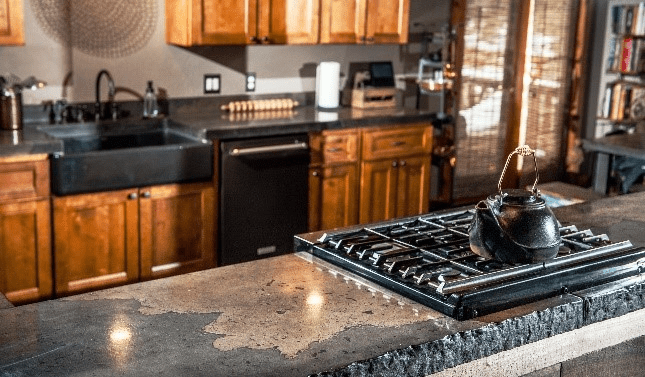
Rustic, Old World, and Mediterranean style kitchens
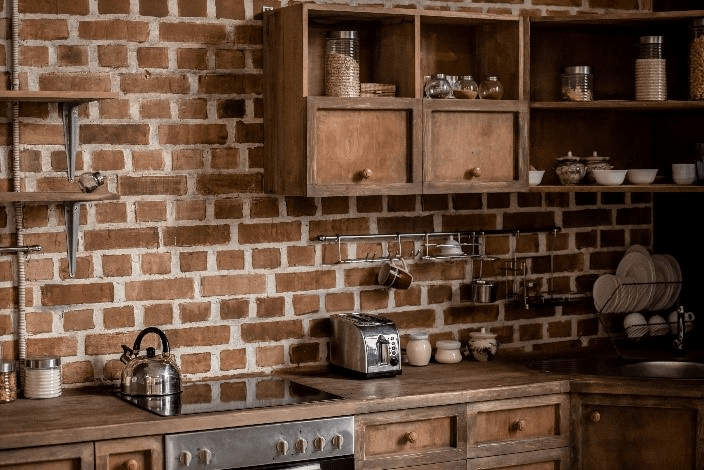
If you yearn for a time when materials were solid and craftsmanship was king, Old World kitchen designs and Mediterranean kitchen designs will embrace you in history and luxury. Look for dark mahogany finishes and stone or wooden floors. Stone or wood floors accentuate the rustic, high-quality feel that is typical of these styles. Homemade clay accessories and copper pots help finish the overall Old World look.
Traditional
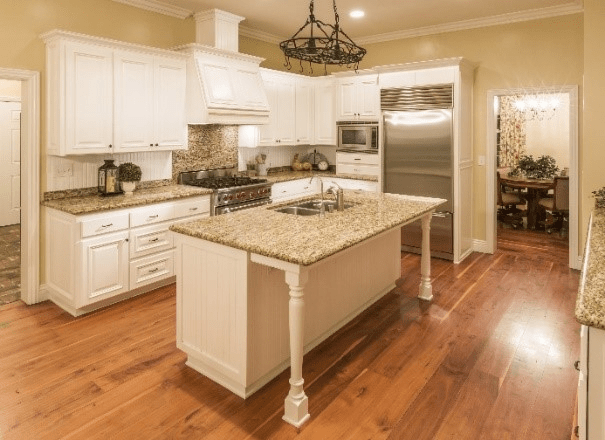
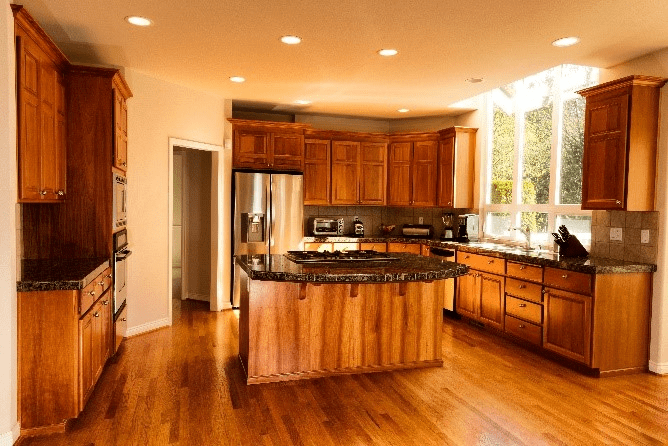
Baking with mom, family meals, and laughter filled holidays are the perfect way to describe the feeling of a Traditional Kitchen. A traditional kitchen gives a sense of nostalgia and makes you think of family, friends, and holidays with your loved ones. It has a clean, comfortable feel year-round. Paneled or glass doors on cabinets add to traditional detail and vintage or vintage-inspired lighting provides the perfect focal point to display your design aesthetic.
Miscellaneous Construction Terms Section:
Warranty Deed
This is simply the formal name for the deed of your home. It can also be called a general warranty deed. A warranty deed is typically used in residential purchases. Almost all lenders require a warranty deed for financing properties. In remodeling, it is common for remodeling financers to request a copy of the warranty deed to be sure that the home is free and clear of liens against the property.
Property Survey or Survey
Confirms a property’s legal description and boundary lines. It shows restrictions and easement lines and helps construction companies know what they can and cannot legally do on your property. If you are working within the confines of your current home, you will often not need a property survey. You will need to have a property survey completed if you are extending the slab to add more interior space, adding a pool in the backyard, or even just adding an exterior patio.
McMansion Ordinance/Residential Design and Compatibility Regulations
This ordinance was passed in the Austin, TX area and is officially called the Residential Design and Compatibility regulations. It was designed to minimize the impact of new construction, remodels, and additions to existing buildings on surrounding properties in residential neighborhoods by defining an acceptable building area for each lot within which new development may occur.
Depending on your home’s location, current size, and desired renovation, the McMansion ordinance can affect your remodeling project in Austin, TX. The McMansion ordinance is a law passed that applies to certain zip codes in the Austin Area. It is designed to limit the amount of livable space within the footprint of a property. This is meant to preserve the look and feel of Austin. Under this ordinance, the maximum amount of development permitted on a property is limited to 0.4 to 1.0 floor-to-area ratio OR 2,300 square feet of gross floor area, whichever is greater. For example,
- if your home is on a 10,000 sq ft lot, .4 of 10,000 is 4,000 sq ft. 4,000 is greater than 2,300 so the maximum amount of gross floor area allowed on this property is 4,000 square feet.
- If your home is on a 5,000 sq ft lot, .4 of 5,000 is 2,000 sq ft. 2,300 is greater than 2,000 so the maximum amount of gross floor area allowed on this property is 2,300 square feet.
This link will give you more information on the Residential Design and Compatibility Standards in Austin and will allow you to read about how gross floor area is measured:
https://library.municode.com/tx/austin/codes/code_of_ordinances?nodeId=TIT25LADE_CH25-1GEREPR
Expired Construction Permit
Permits will expire if the project has not received an inspection, or after a period of time from the last inspection that shows progress towards completion of the project. An expired permit must be resolved before a new building permit can be issued. To check whether an expired permit exists on your property, call the Development Coordinator at 512-892-1383. You can resolve expired permits by following the expired permit process. This article has some fabulous information regarding expired construction permits: https://www.kxan.com/investigations/they-never-go-away-austin-homes-have-more-than-100k-expired-permits-could-yours-be-one/
Permit Inspection
This is when the city inspects a home during and after construction in order to ensure the work is up to city code. Depending on the work being completed at your home, it may require multiple inspections from the city. If work is not completed per the required parameters, the city will require another inspection to be completed at a later date.
Contract
This is the paper you sign that employs Hestia (or any remodeling firm) to complete your home renovation. Your contract outlines your scope of work and gives you information regarding expectations and construction. Any work that is specifically priced and included in your contract will be included in the scope of work. If you require work in addition to what is listed on the contract, a change order needs to be completed.
Proposal
This is the original scope of work planned for your remodeling project. At Hestia, our renovation specialists listen to your ideas and needs for your renovation and assemble a proposal that will cover all the items necessary to bring your remodeling dreams to life. This includes the cost for labor and materials as well as any additional costs (including permitting, design, and engineering).
Scope of work
This is a description of all the work that is covered by your remodeling contract. It says what will be completed by the end of the project. If something you want to have done is “outside of the scope,” a change order can be created to add this work into the scope.
Change Orders
This is a change to your original contract’s scope of work or cost. These changes can include adding more work or a change in the original quoted price due to cost increases or purchasing more materials to add to the scope of work. Change orders also occur when a client chooses to select materials that are overbudget. While our renovation specialists try to estimate the exact cost of many items, it is impossible to know exactly which materials a client will choose to use in their home. Many clients discover they love a more expensive countertop or cabinets than were originally quoted. When this occurs, Hestia creates a change order for the difference in price. There is a 20% change order fee associated with any change orders that need to be created.
Invoices
Invoices are the documents sent to you that show payments due and what the payments will be applied to. Invoices can be created for your standard payment schedule or change orders.
Materials Selections
These are the items you need to select in order to complete the onboarding phase of your construction project. They range from something as simple as cabinet pulls to something as big as flooring choices. Each material that will be used in your project will be listed out on the material selections sheet. Your Onboarding Coordinator will help you by providing contact information for our preferred vendors, but you can choose your materials from any vendor you want. Materials are first selected. Once all materials are selected, your project moves to the planning phase where the materials are ordered. If the selection process takes too long, materials can sometimes go out of stock and need to be reselected.
Material Overage
This happens when the cost of the materials you pick goes over the amount that is budgeted for your project. In the case of a material overage, a change order is created for the difference in price plus the change order fee. The change order fee is typically 20% of the cost of the materials overage.
Vendors
These are the locations that you can pick your materials from. While Hestia has preferred vendors who help cater to our customers and their needs, you are welcome to pick your materials from any vendor/store. Lead times for materials vary by store and material chosen.
Header
Is a differently made beam that spans a shorter distance. Typically, this will consist of two 2” x 12” put together with plywood spacer, but it can be smaller depending on need.
Beam
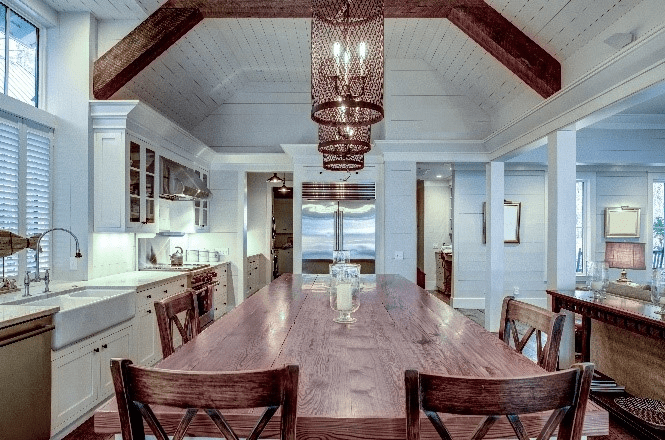
larger than a header and spans longer distances. Exposed beams are very popular in many homes and can add character to a design.
 Sarah Nichols Portfolio Home